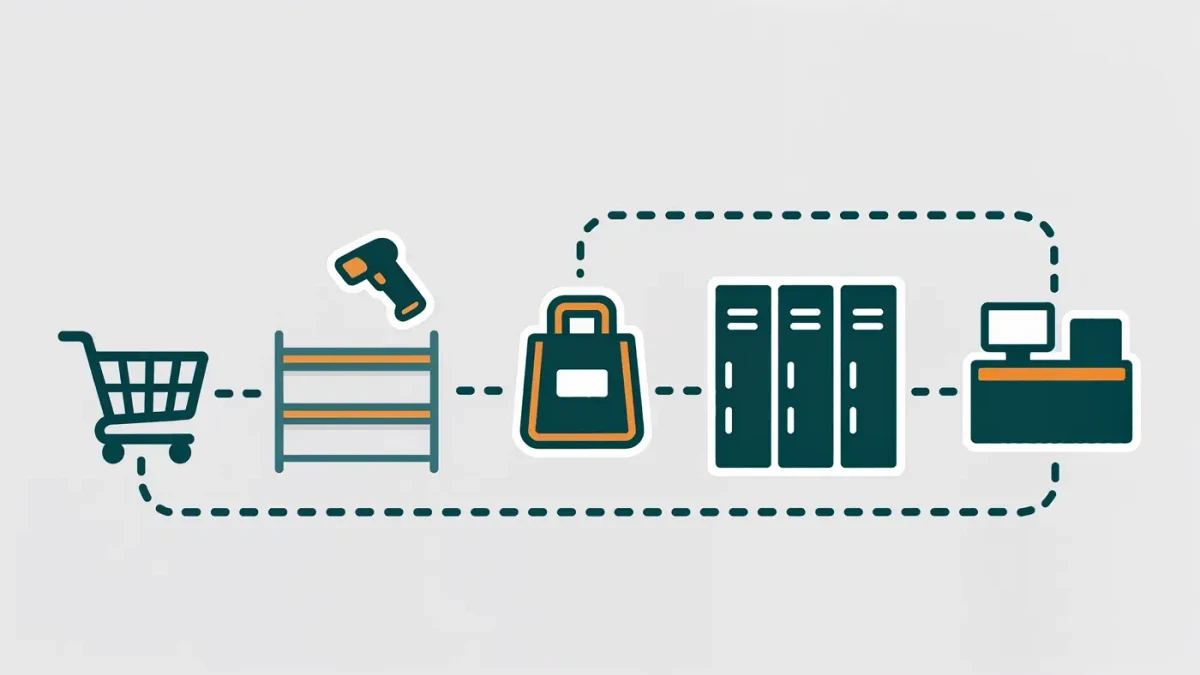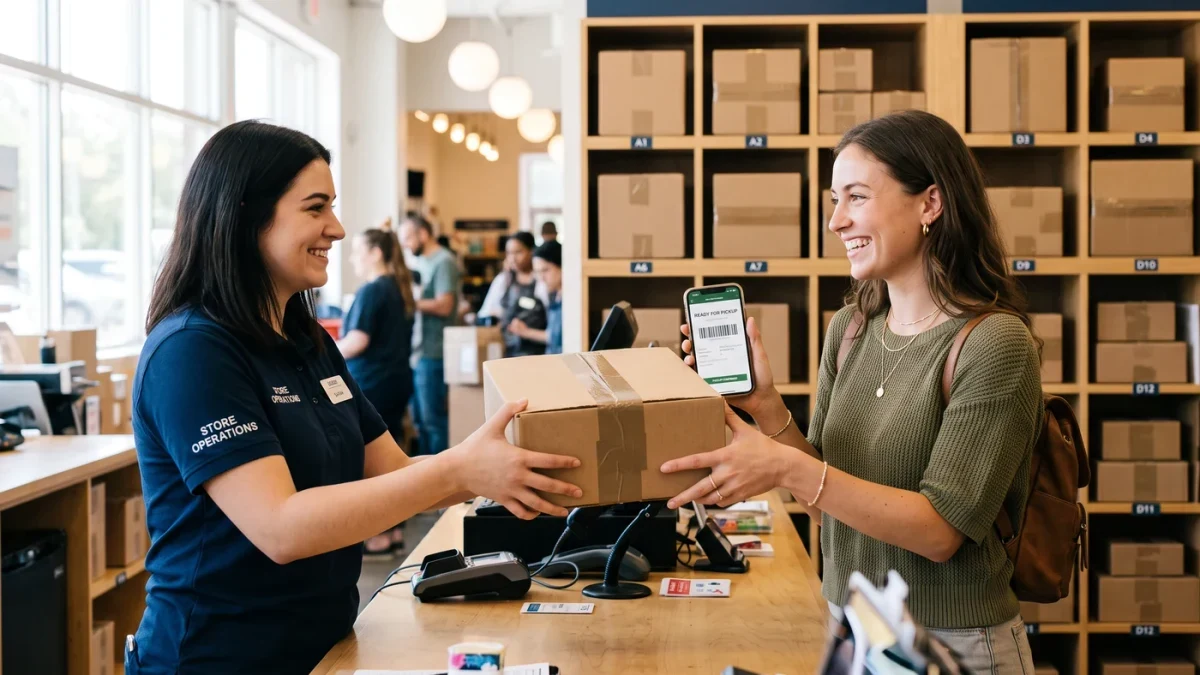
Buy online, pick up in store — BOPIS, also sold as curbside or click-and-collect — lets a shopper order online and collect at a store, typically within hours. Roughly a third to half of U.S. shoppers used it in a given year by the mid-2020s, per National Retail Federation survey data, with spikes each holiday season when pickup deadlines beat shipping cutoffs. For retailers it is the rare e-commerce flow that improves economics: store fulfillment uses existing labor and inventory, avoids the last-mile delivery cost that makes many e-commerce orders unprofitable, and drives an attachment trip — shoppers who enter a store to collect often buy more.
Figures are NRF and company-disclosed data.
What are the economics for the retailer?
The comparison is fulfillment cost per order. Home delivery of a parcel runs a few dollars to upward of ten for expedited, with failed deliveries and returns multiplying it; store picking uses staff already on schedule, and the customer performs the last mile free. Chains disclose the pattern without unit economics: Walmart built its e-commerce strategy around store-fulfilled pickup and delivery from thousands of stores, Target's Shipt-powered same-day services grew from low-single-digit to a meaningful share of digital sales by 2024, and both companies attribute digital profitability improvements to the store-as-fulfillment-center model. The catch is picking labor: an order picked from a sales floor competes with shoppers for stock and staff, which is why the mature implementations pick from dedicated backroom stock.
Why do shoppers use it?
Speed and certainty: the item is available today, with no porch theft and no shipping fee. NRF surveys consistently rank convenience and cost avoidance at the top, followed by deadline reliability in the holiday quarter. The friction that remains — the pickup counter queue, the app check-in flow, substitution quality — is where chains compete: retailers that cut wait times to minutes through geofenced check-ins documented higher repeat usage.
What does BOPIS do to returns and inventory?
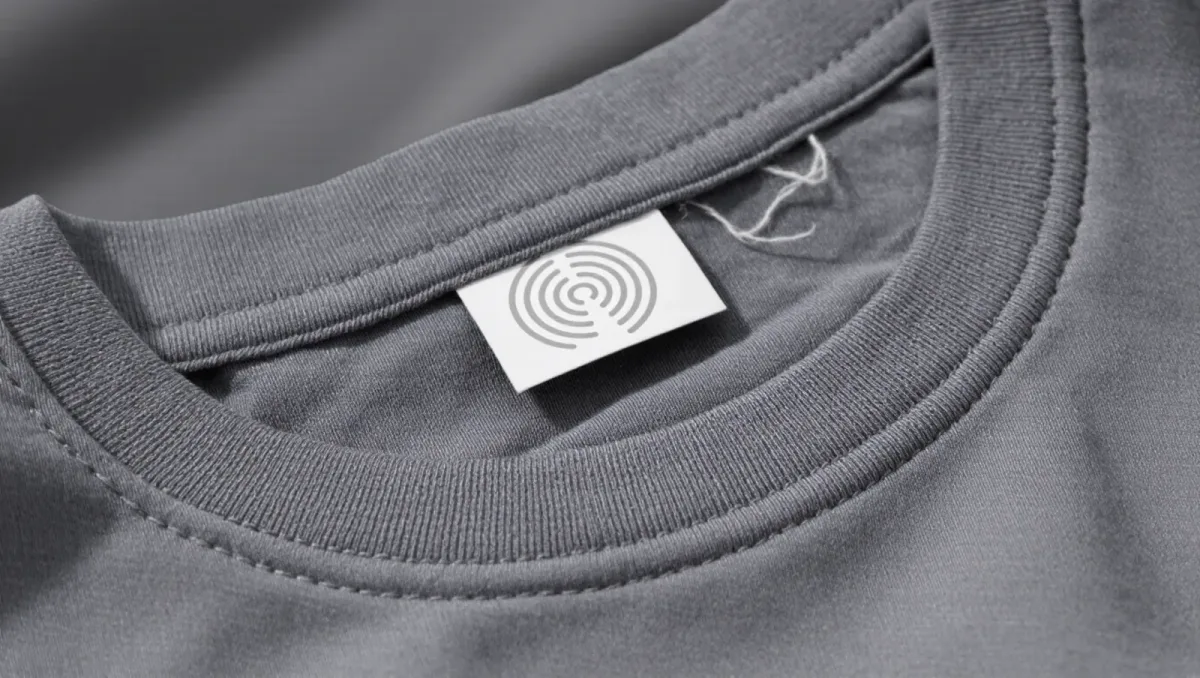
Returns run cheaper: a return handed back at the counter skips reverse logistics, which is why chains push BOPIS returns acceptance as a feature. Inventory accuracy is the load-bearing wall — an order promised from store stock fails when the perpetual inventory is wrong, and the industry's known stock-accuracy problem (manual counts drift; RFID adoption is the documented fix, lifting accuracy from the mid-60s percent to the high 90s where deployed, per Auburn University RFID Lab studies) decides whether the promise holds. Failed pickups and substitutions are the top complaint categories in third-party service rankings.
How did the pandemic entrench it?
Curbside pickup went from novelty to assumption in 2020: chains that had quietly built pickup operations — Target and Walmart prominently — absorbed a step-change in volume, and the habit persisted after stores reopened because the economics and the speed arguments survived. The post-pandemic settlement is a split: apparel and electronics categories route pickup heavily; grocery runs about a tenth of category sales through pickup with profitability still requiring fees or thresholds, per retailer disclosures.
What should readers expect next?
Watch for pickup lockers extending to third-party parcels, dark-store-conversion of weak retail square footage into micro-fulfillment, and the loyalty-data loop — pickup orders identify the shopper, the store, and the basket, feeding the retail-media economics that now fund the margin. The store did not lose to e-commerce; it became its warehouse.