Chapter 11 of the U.S. Bankruptcy Code allows a company to reorganize rather than liquidate: it keeps operating under court supervision while creditors negotiate new terms for the debts the old business model cannot pay. The filing triggers an automatic stay that stops collections immediately, and day-to-day operations continue — often funded by new, court-approved loans called debtor-in-possession financing whose lenders get repaid first. Retailers from Toys "R" Us to Party City and Express ran this playbook through the 2010s and 2020s; the median large Chapter 11 now runs roughly five months to a year, and many end in liquidation anyway.
The Daily News 24 publishes information, not legal advice. This explainer covers the mechanics of a public process.
Who gets paid in what order?
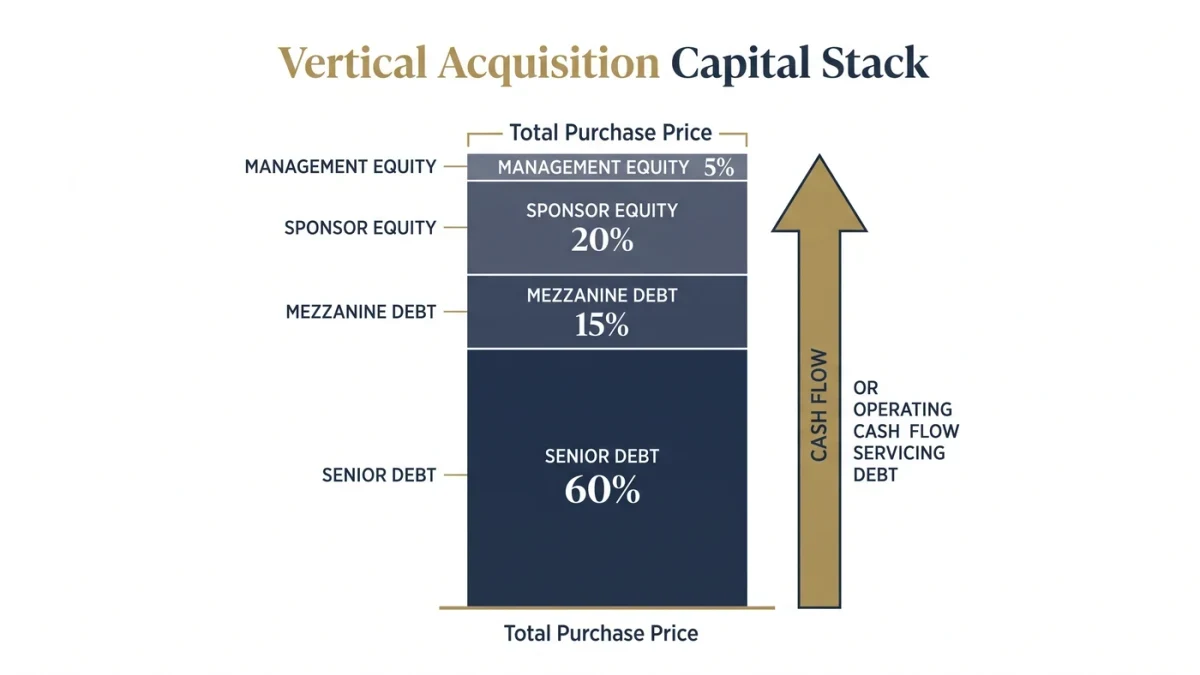
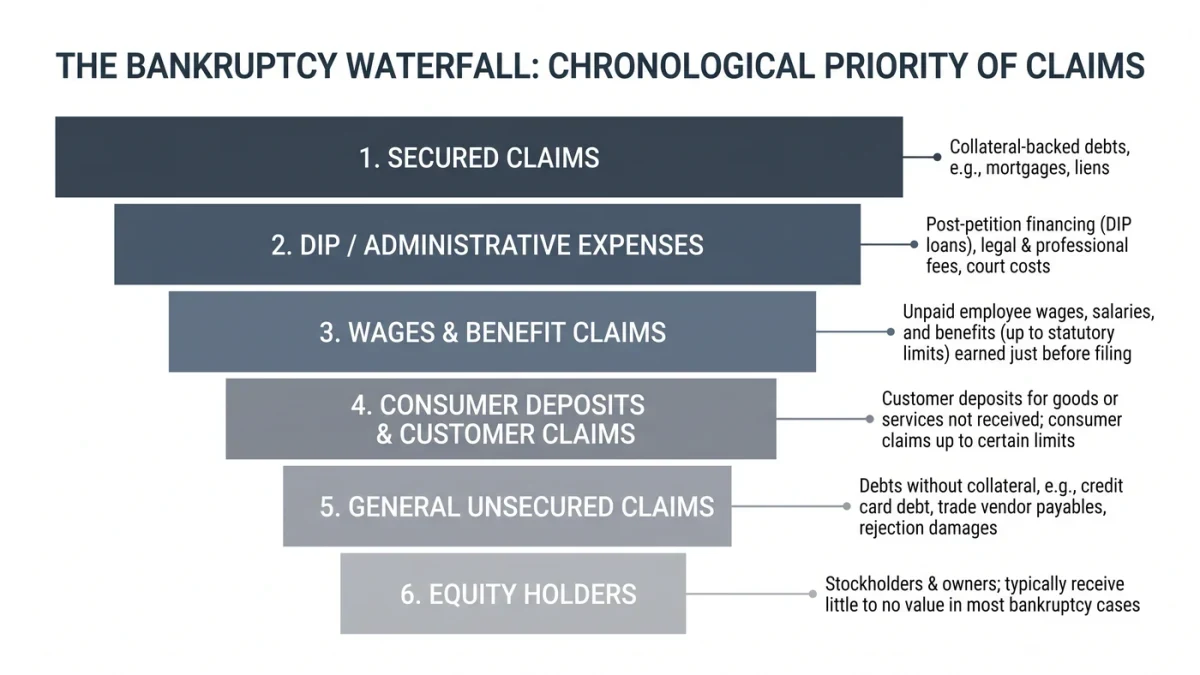
The code's priority stack governs everything. Secured creditors — lenders with collateral — come first to the extent of their collateral. Then, in order: administrative costs of the case including DIP loans, certain employee wage and benefit claims capped by statute, consumer deposits and gift cards, unsecured creditors such as suppliers and bondholders, and shareholders last, who recover something in only a small minority of cases. Every plan of reorganization is, at bottom, an allocation of the reorganized company's value down this waterfall, and the negotiation is over where the line falls between impaired and unimpaired classes.
What is debtor-in-possession financing?
DIP loans are new money lent after the filing, with super-priority over pre-bankruptcy claims and usually liens on unencumbered assets. Because they sit at the top of the stack, they are the one part of a bankrupt company's capital structure that lenders compete to own — and the lender who provides the DIP effectively controls the clock, since when the money runs out the case must end. Courts approve DIP terms at the start of the case, often with tight covenants on closing timelines for store closures or asset sales.
How does a plan get approved?
The debtor proposes a plan; classes of creditors vote; and confirmation requires that impaired classes either accept it or receive at least as much as they would in a Chapter 7 liquidation — the "best interests of creditors" test. Absolute priority can bind a dissenting class: senior classes must be paid in full before juniors get anything, unless seniors consent to less. Once confirmed, the plan binds everyone, the debtor emerges with restructured debt, and pre-petition equity is typically cancelled when creditors are not paid in full.
What is a 363 sale?
Section 363 lets the debtor sell assets free and clear of liens and interests, with court approval, outside a full plan process. In retail cases this has become the dominant path: the brand and leases go to a buyer — often a lender credit bid using debt as currency — while the store fleet winds down through going-out-of-business sales. Toys "R" Us in 2018 showed the variant critics call a liquidation dressed as reorganization; Party City's January 2025 filing ended the same way, while others, like the department-store chains of the 1990s, genuinely emerged.
What happens to employees, gift cards, and suppliers?
Employees keep working under court-approved wage orders; gift cards are honored for a period and then become unpriority consumer claims if the chain liquidates; suppliers can demand cash on delivery after the filing, which is precisely why trade credit tightens the moment a Chapter 11 hits the wire. The operational squeeze that follows — vendors demanding cash, landlords moving to reclaim leases — is why the first weeks of a case decide more than the last ones.