Losing a job is hard enough without a mystery paycheck. Unemployment insurance replaces part of a worker's wages for a limited time, but the amounts and the rules confuse many people. The details also vary a lot from state to state.
This article explains how benefits are calculated, who qualifies, and how payments arrive. It is general education only, not legal or financial advice.
What Unemployment Insurance Is
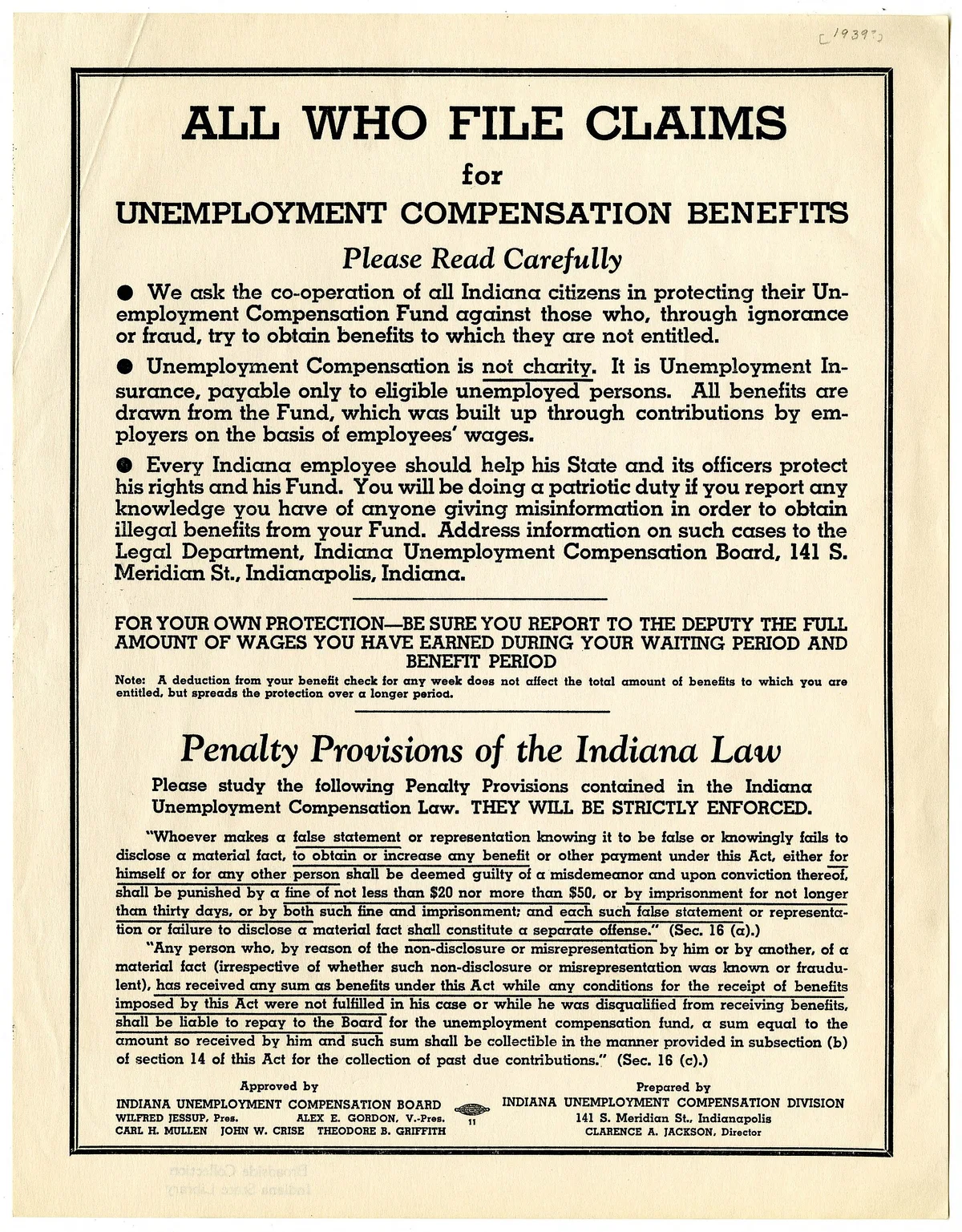
Unemployment benefits are payments made by government bodies to people who are out of work. They generally go to those who lost a job through no fault of their own, and they often carry conditions that require recipients to keep looking for work.
How the Benefit Amount Is Set
In the United States, benefits run through state programs, and each state sets its own formula. Most formulas look at a worker's recent earnings, then replace a share of those wages up to a weekly cap. That is why two workers in the same town can receive very different amounts. This connects to our earlier piece, How Share Buybacks Work.
The spread between states is wide. According to a summary of the state programs, benefits generally pay eligible workers as much as $1,015 per week in Massachusetts and as little as $235 per week in Mississippi.
Eligibility rules differ by state, but the pattern is common. Workers who are fired for misconduct, or who quit without good cause, generally do not qualify. People who lose jobs through layoffs usually do. Readers following this should also see How Layoffs Get Counted Under the WARN Act.
The formula also answers why the check is smaller than the old wage. The system aims to cover basic needs for a short time, not to match a full salary. Knowing that shape early helps a household plan the months ahead with open eyes.
How Payments Actually Arrive
Payment usually starts after a claim is approved, and many states hold the first week or fold it into a later payment. Most states let claimants receive money by direct deposit or on a prepaid card. Claimants must also file weekly or biweekly reports to keep the payments flowing.
Claims can stall. Simple errors, missing wage records, or a dispute with a former employer can hold a claim for weeks. Filing early and keeping tidy records prevents most of those delays.
Keep copies of everything. Save the claim number, the letters, and the dates of each call. If a payment runs late, a clear paper trail makes the fix much faster. Most problems come from small gaps in records, not from big disputes.
How Long Benefits Last
The length of time benefits last depends on where you live and on the state of the jobs market. Some states allow more weeks than others, and rules can shift when joblessness rises. The safest plan is to treat the payments as a bridge and to start the job search right away.
Who Pays for the System
Unemployment benefits are typically funded by payroll taxes on employers and employees, and general tax revenue can supplement the funds in hard times. Employer tax rates can also reflect a company's own history of layoffs, a design that ties costs back to the firms that use the system most.
Take-up is far from universal. In 2025, roughly one in four unemployed people in the United States received unemployment insurance, often because of eligibility limits or because people never filed a claim.
Rules change over time, so check the official state site for current amounts and deadlines. This article gives the general shape of the system, and the state agency gives the live details that matter for a real claim.
Conclusion
Unemployment insurance turns recent wages into a temporary weekly payment, with formulas and caps set state by state. Workers who know their state's rules, file quickly, and keep good records get paid with fewer delays. The system is not generous, but it is predictable, and predictability helps in a rough month.