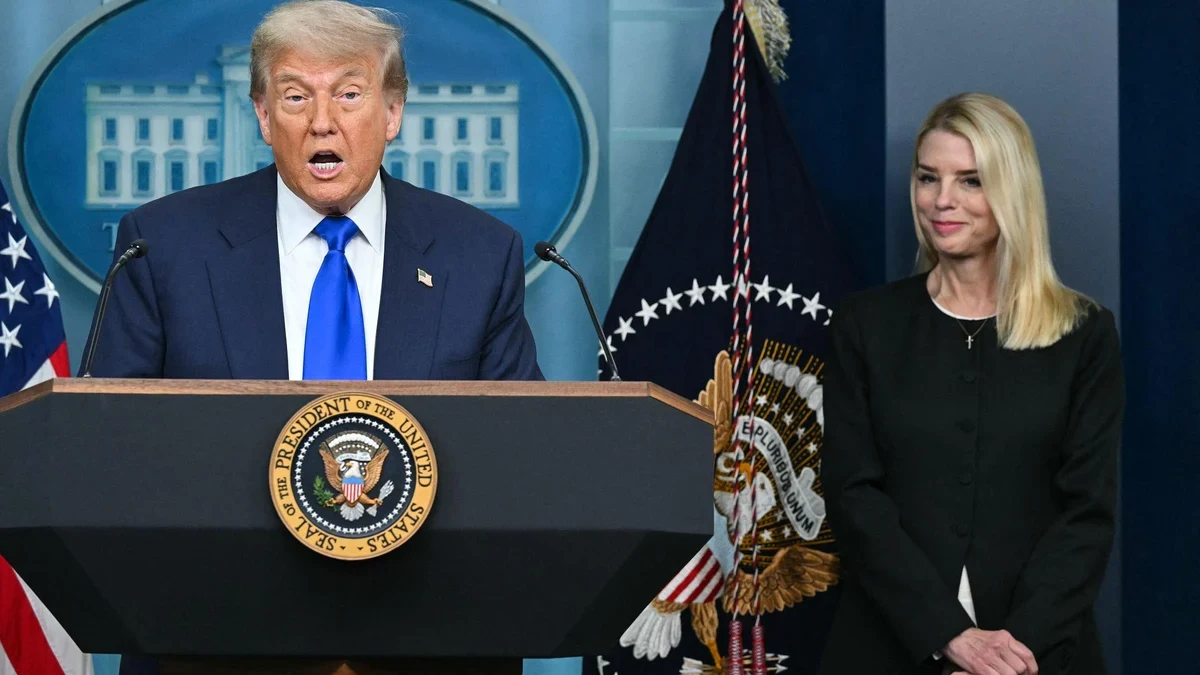
President Donald Trump says he is rolling back Biden-era fuel economy rules for cars, arguing the change will lower vehicle prices and push manufacturers to build more cars in the United States. The announcement came in a social media post on Saturday, with Transportation Secretary Sean Duffy reposting it and saying a formal announcement would be "COMING MONDAY".
The substance sits in one number. Under rules finalised in 2024, the required fleetwide fuel economy was scheduled to rise from 39.1 miles per gallon to about 50.4 mpg by 2031. A December 2025 proposal from the Trump administration would instead set the light-duty fleetwide average at roughly 34.5 mpg by 2031 — more than 30 percent lower than the Biden-era rule. Trump did not provide details on what the new standards announced Saturday would be. Per Al Jazeera, the White House was contacted for comment.
The rollback fits the wider US economy debate over regulation and prices, and readers can follow the broader picture in our economy coverage.
What is CAFE, and what exactly is being rolled back?
Corporate Average Fuel Economy — CAFE — is a system Congress established in 1975. It requires automakers to meet average fuel economy targets across all cars and light trucks they sell. A brand selling an inefficient vehicle must also sell a more efficient one to comply. The standards do not dictate what any individual buyer purchases.
That last point matters for the political framing. Trump said the new standards would "TERMINATE" Biden's "EV mandate", accusing the previous administration of imposing costly requirements on carmakers and steering consumers toward electric vehicles. But there are no federal guidelines or laws that require Americans to buy electric cars or bar the sale of petrol-powered ones. The "mandate" describes higher efficiency requirements, not a purchase requirement.
How did the rules push carmakers toward EVs?
The mechanism is compliance arithmetic, not compulsion. Because CAFE is an average across the fleet, manufacturers ramped up production of EVs to help meet the Biden-imposed requirements — a zero-emission vehicle lifts the average sharply. The Republican-controlled Congress, meanwhile, gutted consumer tax incentives for electric vehicles last year as part of Trump's One Big Beautiful Bill Act. Carmakers were left pulled toward EVs by one set of rules and away from them by another.
The rollback resolves that tension in one direction. Lower efficiency targets reduce the compliance value of each EV sold, which weakens the business case for producing them for the US market. That is the stated intent: Trump argues the change takes "the waste out of building cars in America" and will save families "thousands on a new, beautiful, and safe car".
Who benefits, and who pays?
Set out the incentive structure plainly. Manufacturers gain compliance flexibility: a 34.5 mpg target is cheaper to hit with existing petrol technology than a 50.4 mpg one, and the December proposal implies less need to sell EVs at a discount or cross-subsidise them with efficient models. Buyers of new petrol vehicles may face lower upfront prices if manufacturers pass savings through — though the source material contains no price data, only the president's claim.
The counter-case rests on fuel costs. The Biden administration said its 2024 rules would reduce fuel consumption and emissions while helping motorists save money at the pump. A lower standard trades a smaller purchase price against higher fuel spending over the life of the vehicle. Which side of that trade wins depends on fuel prices and how long a buyer keeps the car — neither quantified in the available evidence.
There is also a wider gap opening. The changes form part of a broader administration effort to reverse Biden-era policies supporting lower-emission vehicles, increasing the distance between US policy and global trends favouring electric vehicles. Readers weighing claims like "lower prices" against regulatory text may find our guide on How to Read Economy News Without Getting Misled useful, as may our explainer on how tariffs pass through into consumer prices — regulatory costs reach showrooms through a similar channel.
What happens next?
The formal announcement was expected Monday, per Duffy's reposting. Until the actual standards are published, the only quantified benchmark is the December 2025 proposal: roughly 34.5 mpg by 2031 against the Biden rule's 50.4 mpg. The evidence establishes the direction and the claimed rationale. What it does not establish is the final number, the compliance pathway manufacturers will choose, or whether any price savings reach consumers. Those questions wait on the rule itself.