Loyalty programs look like simple perks. Scan a card, collect points, save a little money at the register. Under the surface, each scan adds a row to a very detailed portrait of the shopper.
This article explains how retail loyalty programs collect customer data, what kinds of data they gather, and how retailers turn those records into business decisions. For related coverage, see Same-Day Delivery Economics: What It Costs Retailers.
What a Loyalty Program Really Is
A loyalty program is a marketing strategy designed to encourage customers to keep shopping at one or more businesses tied to the program. The customer gets an account, often with a card or an app, and every purchase gets linked to that account over time.
The link is the whole point. A discount without an account is a giveaway. A discount tied to an account is a data stream.
The Many Ways Data Gets Collected
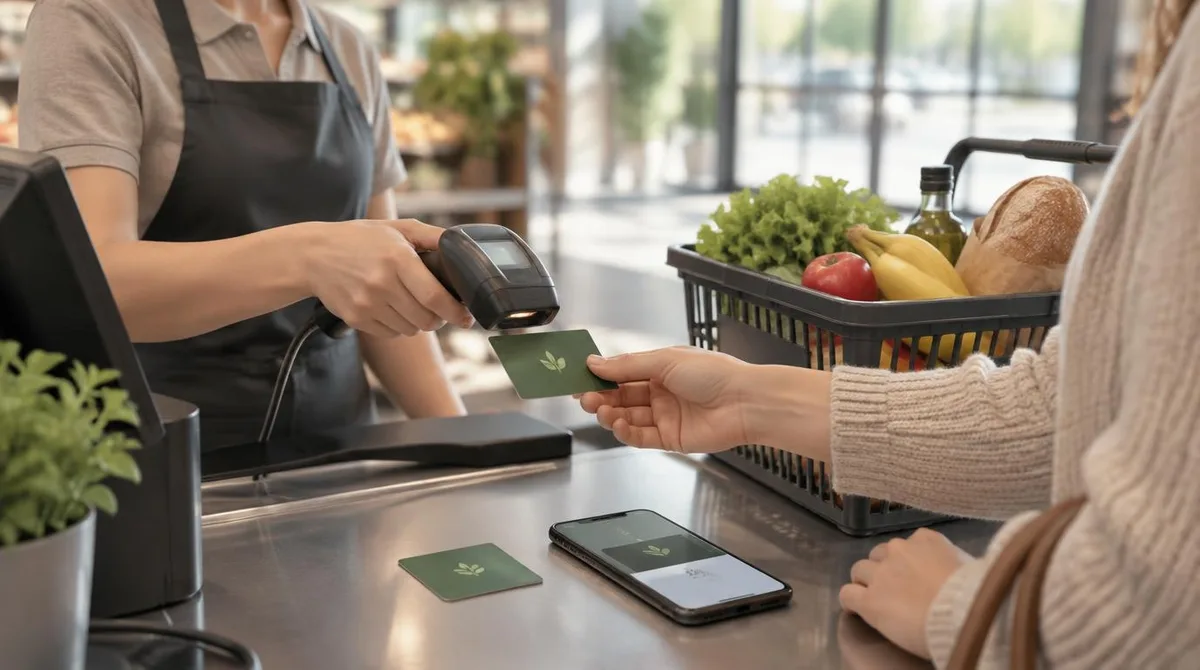
The classic plastic card is no longer the only door. As of 2024, most programs in the United States offer a digital card inside a mobile app, and shoppers can often scan a code from the app at the physical register. Many merchants also link purchases to a phone number typed at the terminal or given to the cashier.
Online, the trade becomes even more direct. Shoppers log in before they buy, so searches, clicks, and abandoned carts can all attach to a named account. Responses to email offers and app notifications fill in the rest of the picture. This connects to our earlier piece, Buy Online, Pick Up In Store, Explained.
Sign-up is the first harvest. An application often asks for a name, a phone number, an email, and a birth date. Some programs add a mailing address or a birthday reward. From that day on, the account ties each visit to one person instead of one anonymous receipt.
What Retailers Learn From the Records
- Purchase history, which shows what a shopper buys and how often.
- Price sensitivity, visible in how people react to discounts.
- Basket patterns, which reveal what gets bought together.
- Offer response, which shows which deals actually change behavior.
Retailers use these patterns to tailor offers to individual shoppers, plan promotions, and understand customer behavior better than paper receipts ever allowed. App-based programs push this further, because merchants can send special offers straight to a phone.
Over time the records become a map of the store itself. They show which promotions lift the whole basket rather than just one item. Small shops can use the same signals at a smaller scale, since even a simple points card reveals who comes back and who drifts away.
Why Merchants Push Digital Accounts
Digital accounts are cheaper to run than plastic cards and harder to lose. They also let small and large merchants alike see visits, rewards, and direct customer insights that third-party platforms would otherwise keep to themselves. That is a large part of why programs keep moving into apps.
The shift has critics. Shoppers without smartphones can find app-only programs unfriendly, and some retailers still issue physical cards on request for that reason.
What Shoppers Should Weigh
The trade is simple to describe. Shoppers give up a stream of personal data, and they get discounts and offers in return. Whether that trade feels fair depends on the person, the retailer, and how the data gets used.
It helps to read the privacy terms before joining. Some programs share data with partners, and some keep records for years. Members can usually limit marketing messages, but the purchase record itself is the core of the deal.
Conclusion
Loyalty programs turn everyday shopping into structured data, and that data now shapes offers, promotions, and store decisions. Shoppers who understand the exchange can pick programs that reward them well, and retailers that use the data with care earn trust along with the points.