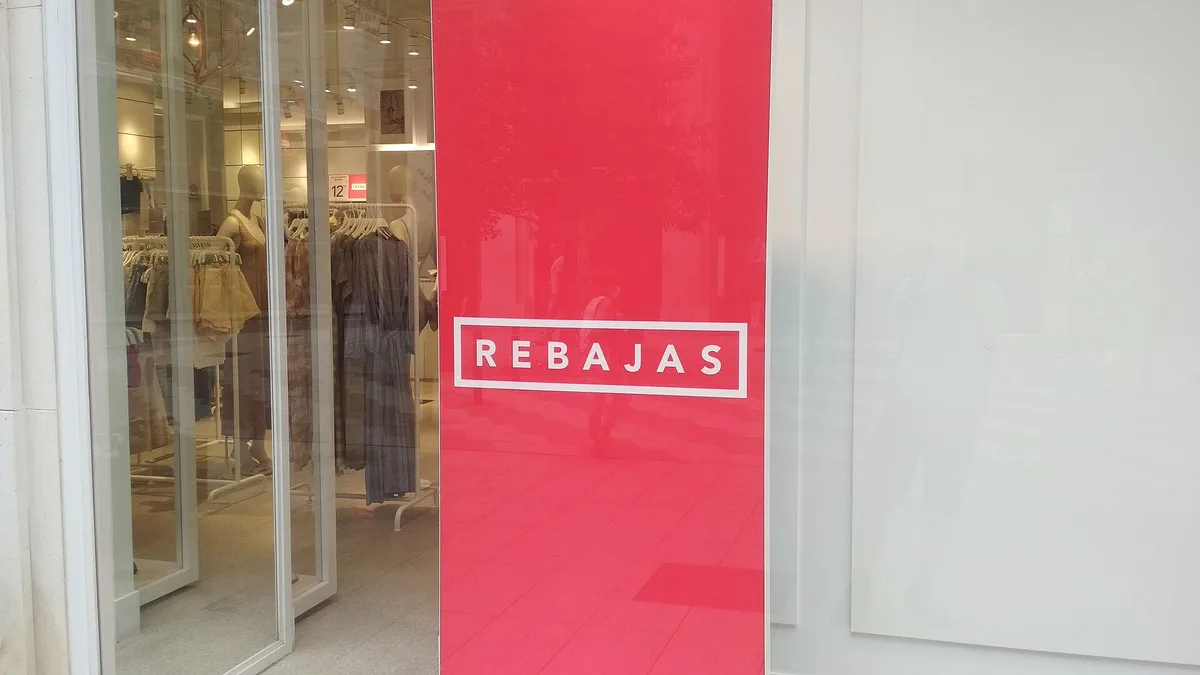
Every shopper knows the scene: a tag with a crossed-out price, a sticker announcing a cut, a rack marked down to clear. Markdowns look spontaneous. They are not. They are among the most measured moves in retail.
A price markdown is a deliberate reduction in the selling price of retail merchandise. Per Wikipedia's entry on price markdowns, the goal is to increase the velocity of sale, typically to clear goods at the end of a season or to sell off obsolete merchandise at the end of its life. The cut is a tool with a job, not a random giveaway.
What Does a Markdown Have to Achieve?
Timing and size decide everything. The entry states that the timing and level of markdowns in a selling season are critical to maximizing return on sales. Cut too early and the store hands away margin it could have kept. Cut too late and the stock misses its buyers.
The result is measured as revenue realization: the share of the possible original selling price that a store actually achieves. Per the entry's benchmark, revenue realization of 50% means only half the potential full-price sales value was achieved by the end of the season. The other half vanished in cuts.
The second target is terminal inventory, the merchandise left over when the season finishes. A markdown plan has to balance the two losses: realize less revenue but end with less stock, or defend revenue and eat the leftovers. The entry names minimizing terminal inventory as a core aim of markdown planning.
How Do Retailers Choose When and How Deep to Cut?
Instinct is giving way to software. A recent trend, per the entry, is demand optimization software that establishes the most desirable timing and level of markdown. The software can compare a tactic of small cuts from early in the season against one of later, deeper price drops, and pick the better mix of revenue and leftover stock.
That choice is a strategy question, not a math trick. Pricing strategy decides the prices a company sets, aiming to maximize profit, defend an existing market, or increase market share, according to Wikipedia's overview of pricing strategy. A markdown plan sits inside that frame: the full price defends margin, the cut defends speed.
Markdowns also meet the price where it was built. Under cost-plus pricing, a firm adds up the material, labor, and overhead costs of a product. A markup percentage is then applied to set the selling price, per the pricing strategy entry. A markdown trims that margin away, item by item, as the season ages.
What Do Shoppers See at the Shelf?
The visible face of a markdown is the discount sticker. Wikipedia describes these as alerts to goods that have been reduced in price, such as food approaching its sell-by date or inventory in discount clothing and outlet stores. Several British supermarket chains use yellow stickers to mark reduced items. We covered a connected angle in Why Retailers Close Stores: The Lease Math.
Shoppers should read stickers with some care. The entry notes that some stores, especially discount clothing stores, have been accused of using the stickers to fake the look of a markdown when there is none. Per Wikipedia's strategy entry, selling a product at the higher of two prices shown to the shopper counts as a form of deceptive pricing. The label is a claim; the price you pay is the fact. Readers following this should also see Retail Stores Near Me: Chains or Local Shops, a Decision Guide.
Conclusion: Markdowns Are Math, Not Charity
A markdown is a planned trade. The store gives up price to gain velocity, and the best plans balance revenue realization against terminal inventory through deliberate timing and depth. Software now makes that trade with models rather than gut feel.
For shoppers, the playbook writes itself. End-of-season cuts are real, and late-season stickers on perishables reflect genuine clearance pressure. But the number that matters is the price you pay today, not the crossed-out figure above it.