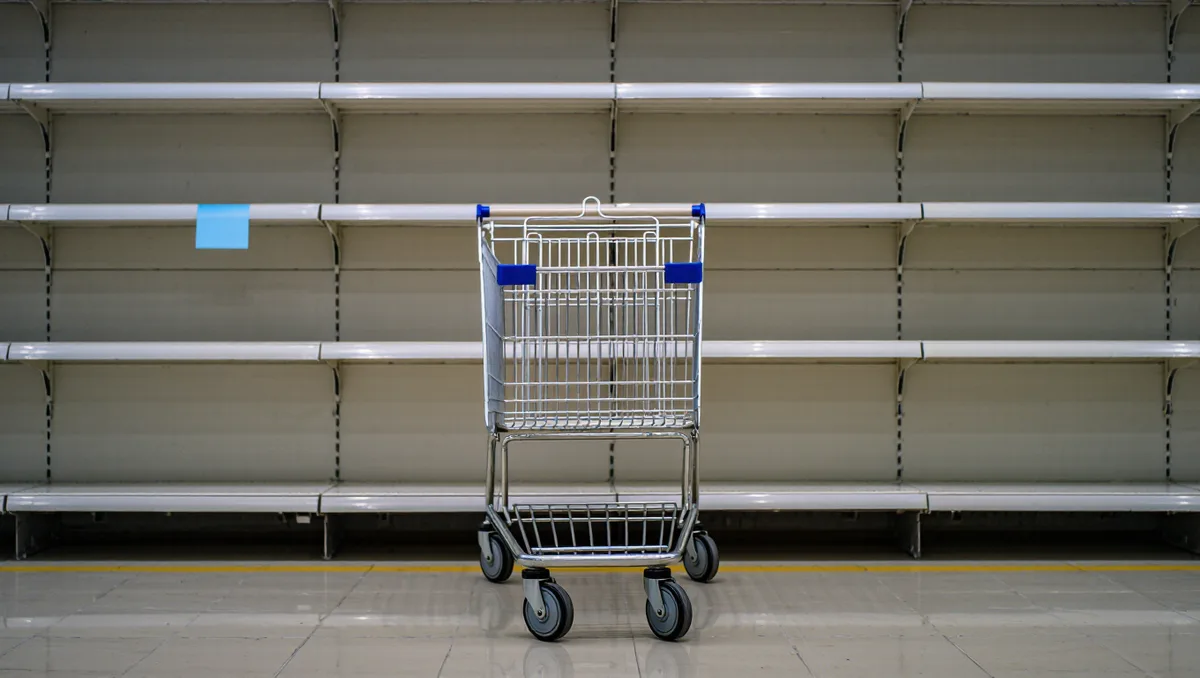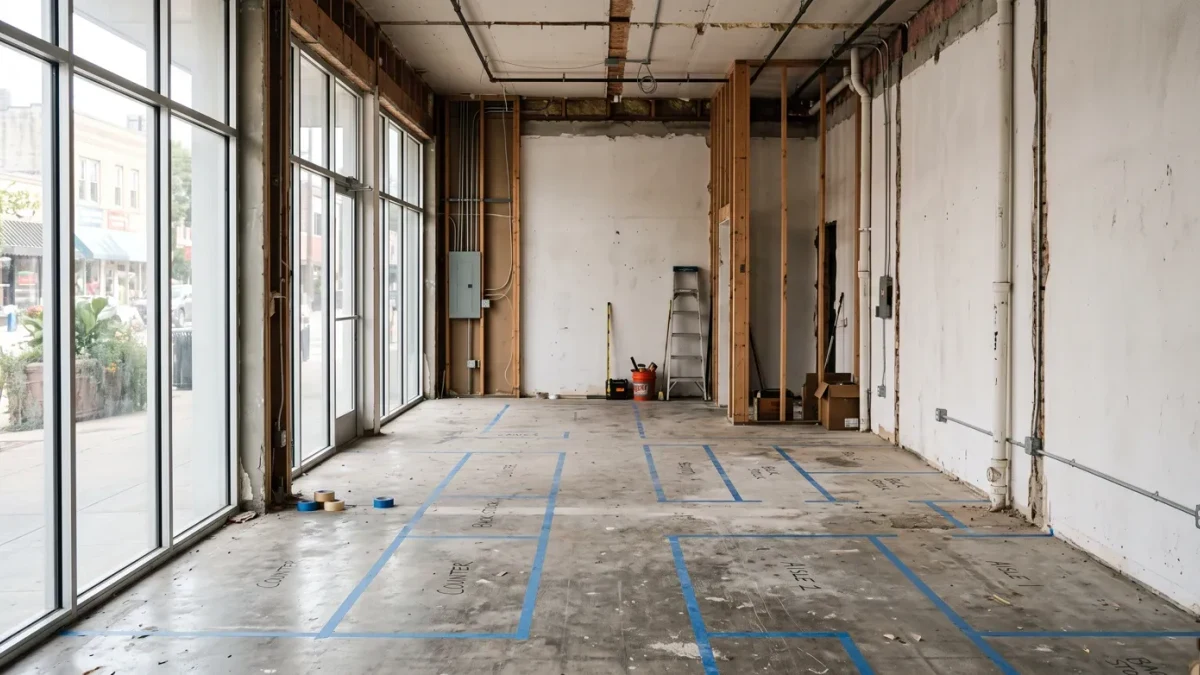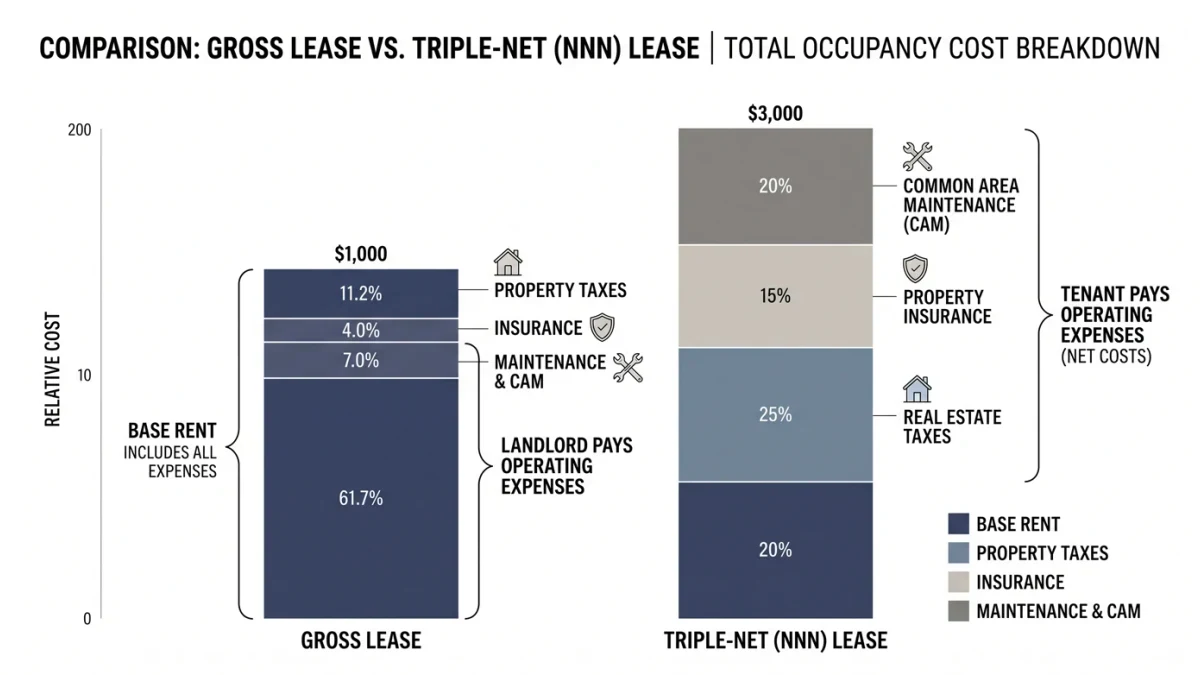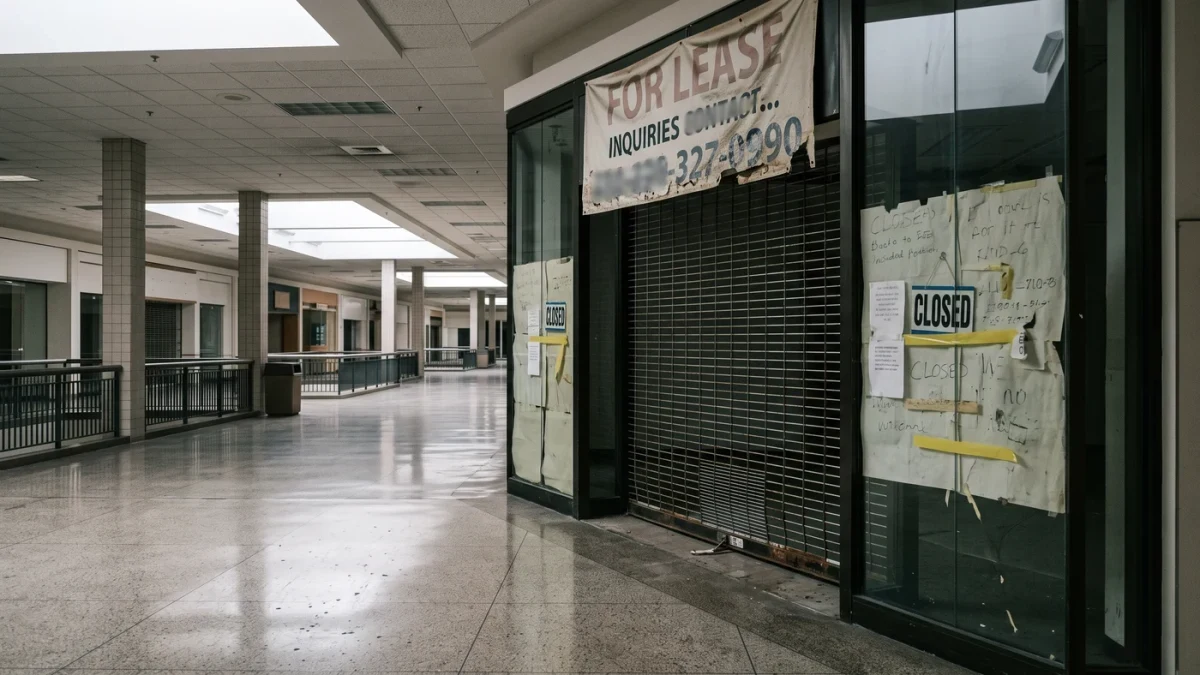
Retailers close stores when the location's four-wall economics fail persistently: sales minus cost of goods, store labor, rent, and occupancy costs leaves too little, and no credible fix exists. The arithmetic sounds simple; the timing is decided by lease structure. Commercial leases typically run five to ten years with renewal options, often with personal or corporate guarantees and clauses that survive the closing sign coming down — which is why chains keep unprofitable stores open until a lease-end window, and why "closing 150 stores" announcements spread over two years of expirations rather than one quarter of exits.
This explainer covers retail real-estate economics.
What are four-wall economics?
The store-level profit-and-loss: net sales, less cost of goods, less direct labor, less rent and percentage rent, less utilities, maintenance, and allocated occupancy like property taxes and insurance. Chains evaluate each unit against a hurdle — contribution margin above corporate overhead allocation — and rank the fleet annually. The stores below the hurdle enter a watch list with levers attached: labor scheduling, inventory assortment, renegotiated rent, or closure. Company filings disclose store counts and closure totals; the unit economics stay internal, which is why closure lists read as announcements rather than analyses.
How does the lease bind the decision?
A lease is a liability that survives vacancy: the rent obligation continues whether the store operates or not. Closing a losing store saves labor and goods costs but strands rent unless the lease is exited — via expiration, assignment to another tenant, buyout negotiated with the landlord, or bankruptcy rejection under Section 365 of the Bankruptcy Code. That last path is why Chapter 11 is a lease-shedding machine: rejecting leases is a breach giving landlords a general unsecured claim, and chains from Party City to Express used the 2020s' bankruptcy wave precisely to exit underperforming locations wholesale. Percentage-rent structures — rent partly tied to sales — soften the arithmetic in weak years.
What role do co-tenancy clauses play?
Anchor clauses in mall leases: if a named anchor — typically a department store — goes dark, tenants' rent drops or they gain exit rights. When Macy's, Sears, and Bed Bath & Beyond vacated anchors through the 2010s and 2020s, co-tenancy triggers cascaded rent reductions and closures across the wings they anchored — closure dynamics that spread through contract, not competition. Landlords' counter-moves — replacing anchors with gyms, grocers, or entertainment uses — are attempts to keep the clauses untriggered.
Why did closures accelerate in the 2020s?
Stacked structural forces: e-commerce share shifting sales out of physical formats; the 2017-present retail apocalypse cohort reaching lease ends; post-pandemic office-adjacent downtown traffic falling; and 2022–2024 inflation raising labor and occupancy costs against softening discretionary demand. Record store-closure announcements in 2024 — roughly 7,300 U.S. locations by Coresight Research's count — exceeded openings for another straight year, concentrated in drugstores, dollar stores adjusting overexpansion, and franchise fast food.
What should readers read in a closure announcement?
The list versus the calendar — how many closures land in the next four quarters versus the lease-expiration tail; whether closures come inside or outside bankruptcy (the landlord recovery differs); and whether the chain labels them unprofitable-versus-strategic. A store closing because its lease ends is arithmetic; a chain closing half its fleet in a filing is a balance-sheet event wearing a real-estate mask.