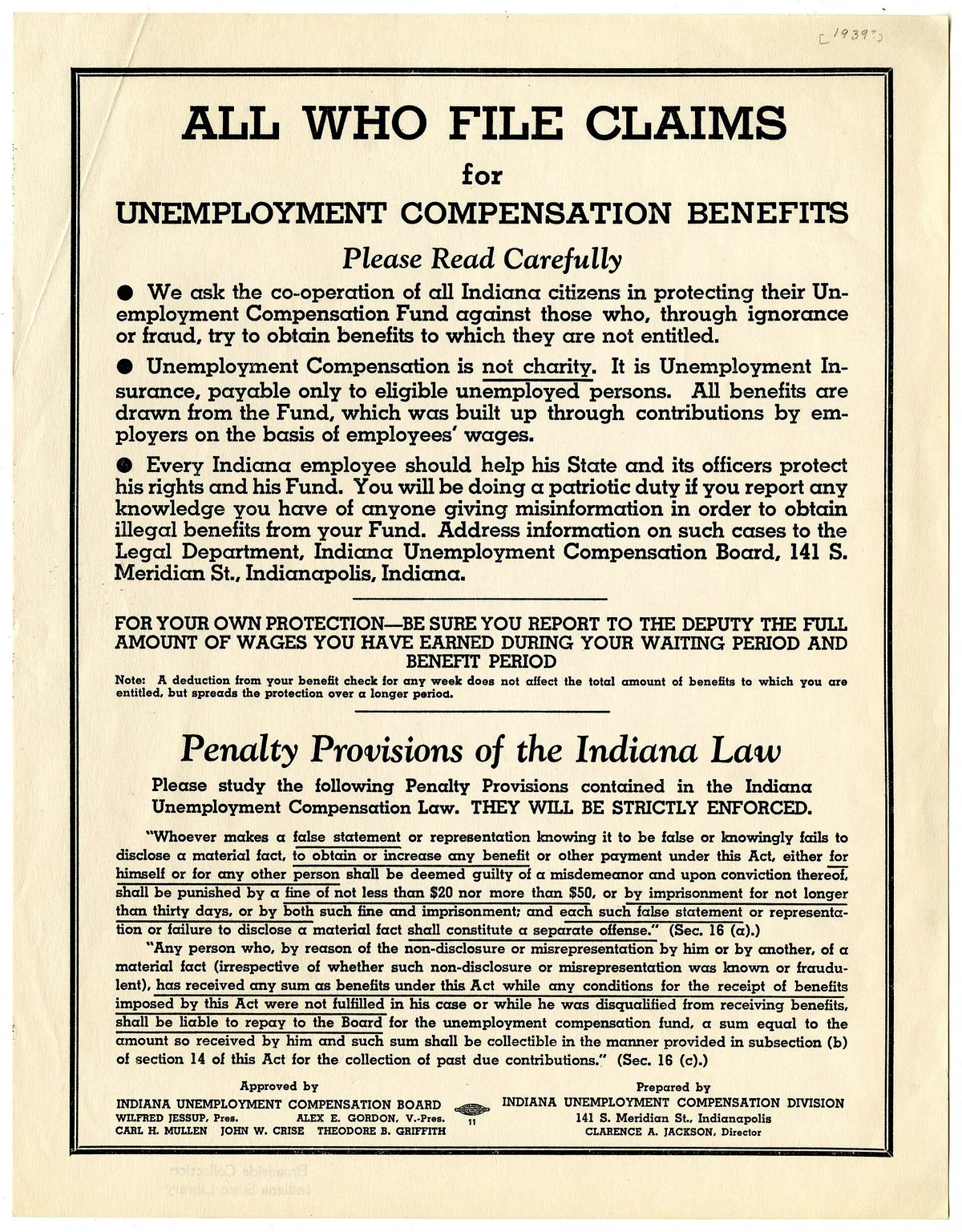
The Worker Adjustment and Retraining Notification Act of 1988 requires employers with 100 or more full-time employees to give 60 days' notice of plant closings and mass layoffs — 50 workers at a single site, or 500 regardless of tenure thresholds — and those notices, filed with states and aggregated by trackers and newsrooms, are where most layoff headlines begin. The filings are public, dated, and site-specific, which makes them countable. They are also a legal instrument, not a census: what triggers a filing is closure and mass cut at a site, which is why the tech-industry job cuts of 2022–2025 — spread across remote workforces and satellite offices — barely registered in WARN data while dominating the news.
The Daily News 24 publishes information, not legal advice. This explainer covers a disclosure statute.
What triggers a WARN notice?
Three triggers under the federal act: a plant closing affecting 50 or more employees at a single site; a mass layoff of 500 or more at one site; or a layoff of 50–499 at one site when that is a third or more of the site's workforce. Employees must have worked at least six of the past twelve months, averaging twenty hours weekly. Remote employees are counted at the site they report to — a rule written in 1988 that quietly guts WARN's coverage of distributed companies. Notices go to affected workers, the state dislocated-worker unit, and the local government, sixty days ahead.
What do WARN numbers include and miss?
Included: large, announced, site-based cuts by large employers — manufacturing closures, distribution-center shutdowns, call-center exits. Missed: employers under 100 staff; cuts under 50 per site; distributed white-collar reductions; attrition, hiring freezes, and contract non-renewals, which shrink payrolls without a single notice. State mini-WARN acts narrow some gaps — California, New York, and New Jersey among others set lower thresholds and longer notice — so aggregate counts blend statutes. The result reads as a manufacturing-recession gauge wearing an everything-recession label.
How do the trackers work?
Layoffs.fyi and similar trackers compile tech-company announcements from news reports and filings, while states publish raw WARN notices on labor-department websites and some newsrooms aggregate them monthly. The two sources answer different questions — announced intentions versus legally required notices — and neither maps to the official measure: initial unemployment insurance claims, which count actual filings by laid-off workers regardless of employer size or structure. When announced layoffs and claims diverge, as they did through 2023–2024, the divergence itself is information: cuts announced but executed slowly, or absorbed by hiring elsewhere.
What are the penalties for skipping notice?
Employers that order covered layoffs without 60 days' notice owe back pay and benefits for the violation period, up to 60 days, plus civil penalties of up to $500 per day per violation under the federal act. Exceptions exist for faltering companies actively seeking capital, unforeseeable business circumstances, and natural disasters — and the 2020 pandemic layoffs tested the unforeseeability exception at scale. Enforcement is private: affected employees sue.
How should readers read a layoff headline?
Check the denominator and the source. A total from a tracker counts announcements over a year by named companies; a WARN count counts notices under a site-based statute; claims count workers who filed. Each is honest about a different slice, and the honest reading of any single one is: this is what this instrument saw.