Gas prices are set by four stacked costs: crude oil, refining, distribution and marketing, and taxes. According to AAA, crude oil makes up about half the price of gasoline, with refining, distribution, marketing, and taxes accounting for the rest. That split explains why pump prices move with oil markets even when nothing changes at the local station.
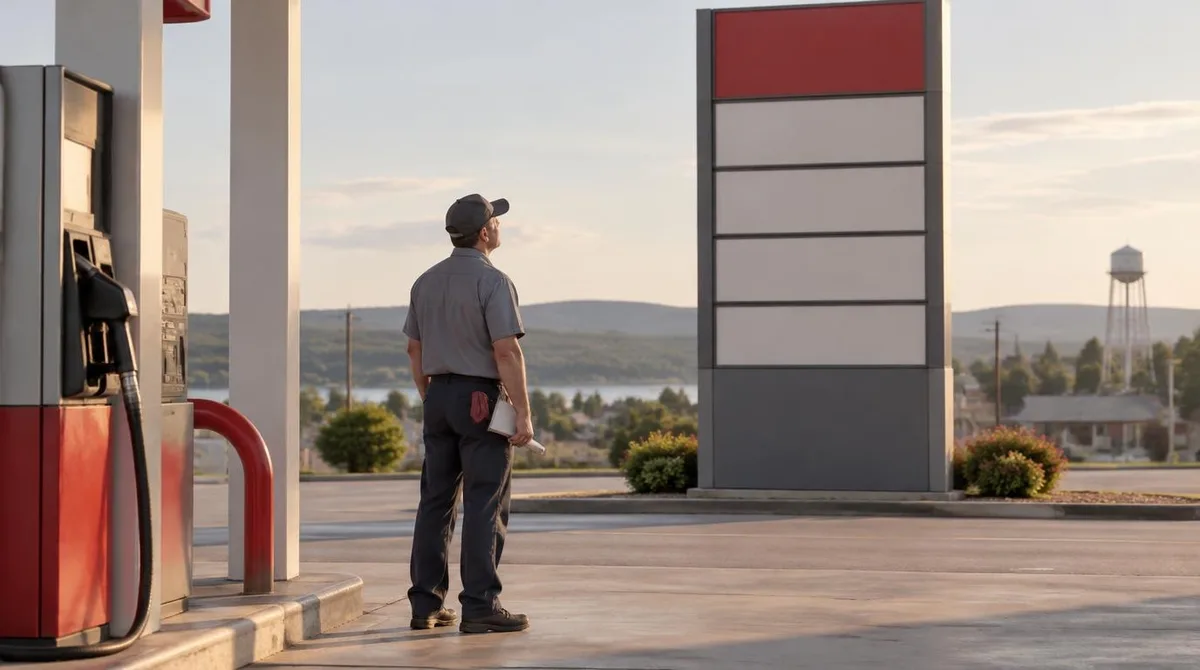
The number on the sign also reflects timing, not just cost. Stations price gasoline based on what it will cost to refill their tanks, not what the last delivery cost. That means today's pump price is partly a forecast of tomorrow's wholesale price. When drivers understand that mechanism, the weekly swings look less like price gouging and more like inventory accounting.
What actually determines the price at the pump?
Start with crude oil. It is the largest single component, and AAA puts it at roughly half of what a driver pays per gallon. Oil is priced in global markets, so a conflict in an oil-producing region can limit supply and push crude higher. When crude rises, gasoline typically follows, because refiners pass their input costs downstream.
The remaining half divides among several steps. Refining turns crude into finished gasoline. Distribution and marketing move it to terminals and then to stations. Taxes — federal, state and sometimes local — are added at the end. Each layer takes a share, and each can move independently. A refinery outage can raise prices even with cheap crude. A state tax change can raise prices even with stable oil.
- Crude oil: about half the pump price, set in global markets.
- Refining: the cost of converting crude into usable gasoline.
- Distribution and marketing: transport, storage and retail margins.
- Taxes: fixed per-gallon charges that vary by state.
Why do prices jump in the fall?
Refineries often perform maintenance in the fall, and AAA identifies this as a recurring cause of temporary price increases. Maintenance takes units offline, which limits gasoline production for days or weeks at a time. Less supply against steady demand means higher wholesale prices, which reach the pump quickly.
The fall is also when stations switch from summer-blend to winter-blend gasoline. The switchover adds a second layer of timing pressure on top of scheduled maintenance. Both effects are seasonal and temporary, which is why autumn spikes often reverse once refineries return to full output.
Why does the same gas cost different amounts across town?
Stations do not price gasoline from what they paid yesterday. They price it from what refilling the tank will cost tomorrow, a mechanism AAA describes directly. Two stations across the street can face different replacement costs if they buy from different terminals or on different delivery schedules.
Brand, location and traffic add the rest. A station near a highway exit charges what the location supports. A discount station competes on volume. None of this changes the crude-oil share; it changes how the retail margin is set. The result is a spread between the cheapest and most expensive station in a market that can persist for months.
What this means for household budgets
Fuel is one of the few prices households check weekly, which gives it outsized weight in how inflation feels. The gasoline component of consumer price indexes moves month to month with oil markets, while quieter categories like shelter move slowly. Our analysis: the pump price is the most visible price in the economy, and visibility shapes perception more than weight does.
That visibility has political consequences. When crude rises on global tensions, drivers pay more within weeks, and the increase is read as a domestic failure even though the cause sits in international supply. The incentive structure is straightforward: no administration controls the oil price, but every administration owns the pump price in public opinion.
For drivers, the practical levers are smaller than the headline price. Maintenance, including replacing worn tires, can support fuel efficiency, per AAA's guidance. Comparison shopping matters more when local spreads are wide, and AAA's price tools update daily for that purpose. These steps trim costs at the margin; they do not offset a crude-oil rally.
Where policy enters the picture
Fuel policy reaches wallets through two channels: taxes at the pump and efficiency rules on the cars themselves. Efficiency standards shape how much gasoline a fleet burns over a decade, which affects demand over time. Tax changes act faster and are easier to attribute. Both are covered in more detail in Trump Rolls Back Biden Fuel Economy Rules, Citing Car Prices.
The broader inflation picture matters too. Gasoline is volatile but a modest share of the basket the government tracks, which is why analysts strip food and energy out when reading the trend. The mechanics are explained in What Core Inflation Is — and Why the Fed Watches It Over Headline. A spike at the pump can lift headline inflation for a month without changing the underlying trend. For related coverage, see What Core Inflation Is — and Why the Fed Watches It Over Headline.
What the evidence establishes — and what it doesn't
The structure is well documented: crude is roughly half the pump price, refinery maintenance in the fall can lift prices temporarily, and stations price to replacement cost. What no single source settles is the week-ahead direction, because that depends on oil markets, refinery outages and seasonal demand that no explainer can forecast. This site does not predict prices; it explains the mechanism that produces them.
For readers tracking the number themselves, the honest approach is to watch the components, not just the sign. When crude moves, expect the pump to follow. When autumn maintenance season arrives, expect a temporary bump. And when a local station charges more than the one across town, the likely answer is replacement cost and location, not a mystery.