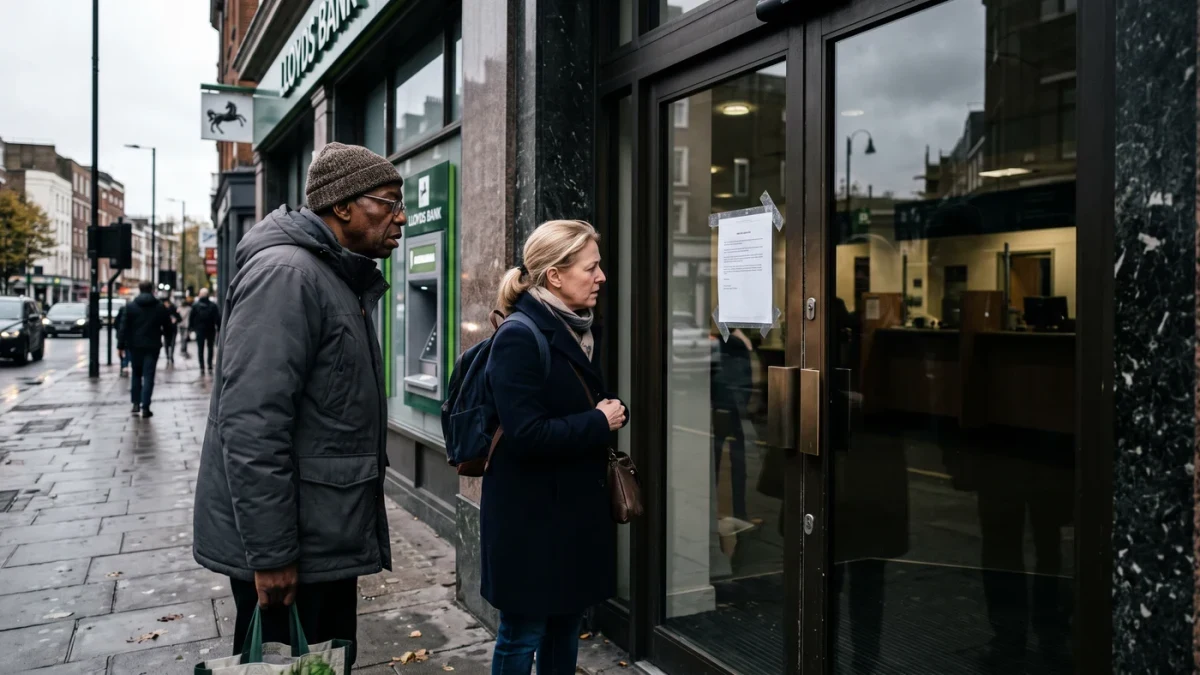
When a bank fails, state or federal chartering authorities close it and appoint the Federal Deposit Insurance Corporation as receiver — typically after market close on a Friday, so the bank can reopen Monday under new management. The FDIC then resolves it, almost always by purchase-and-assumption: selling the deposits and healthy assets to another bank, which greets failed-bank customers the next business day. The 2023 failures — Silicon Valley Bank and Signature Bank in March, First Republic in May, over $500 billion in combined assets, the largest since 2008 — ran this playbook, with the unusual feature of systemic-risk exceptions that protected uninsured depositors in full.
This explainer covers a statutory process.
What does the FDIC do as receiver?
It steps into the bank's shoes: gathers assets, settles claims in the statutory priority — insured deposits first, then the FDIC itself as subrogated insurer, uninsured deposits, general creditors, subordinated debt, equity — and markets the franchise. Resolution tools include the standard purchase-and-assumption with all or some deposits; a bridge bank, used for SVB and Signature, holding the franchise while a buyer is found; a deposit payoff when no buyer exists, mailing insured balances directly; and, since 2010's Dodd-Frank Act, the orderly liquidation authority for systemically dangerous cases, though its single use — no bank has actually gone through OLA — remains a contingency.
What happens to depositors?
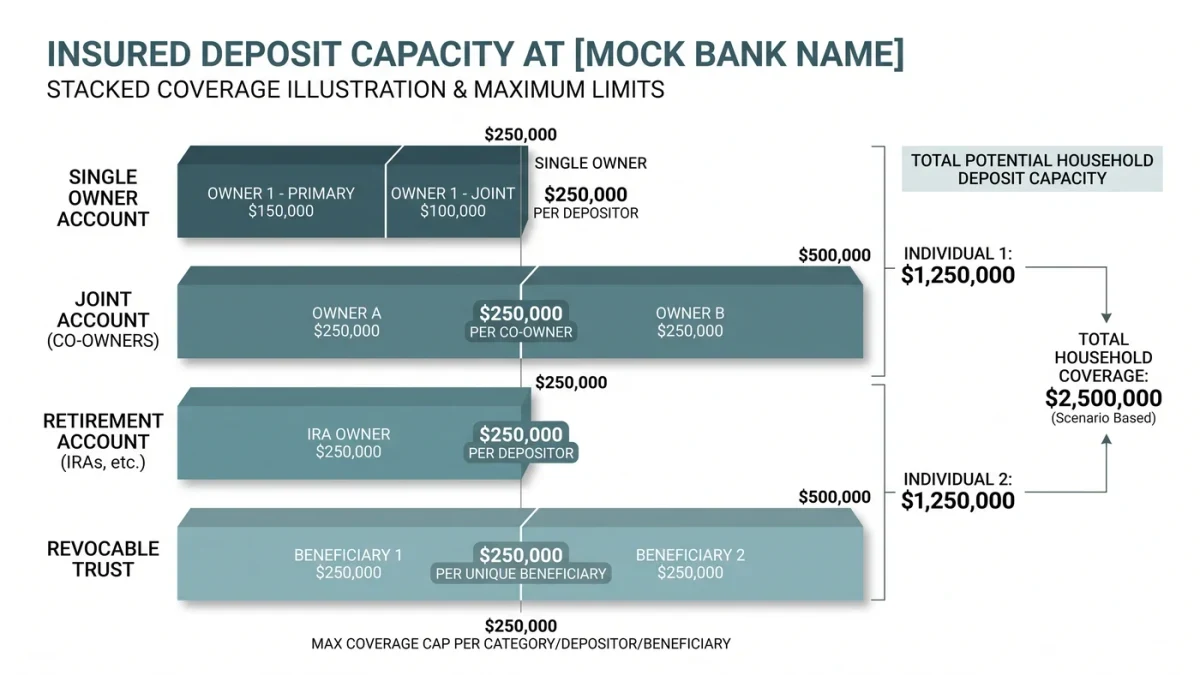
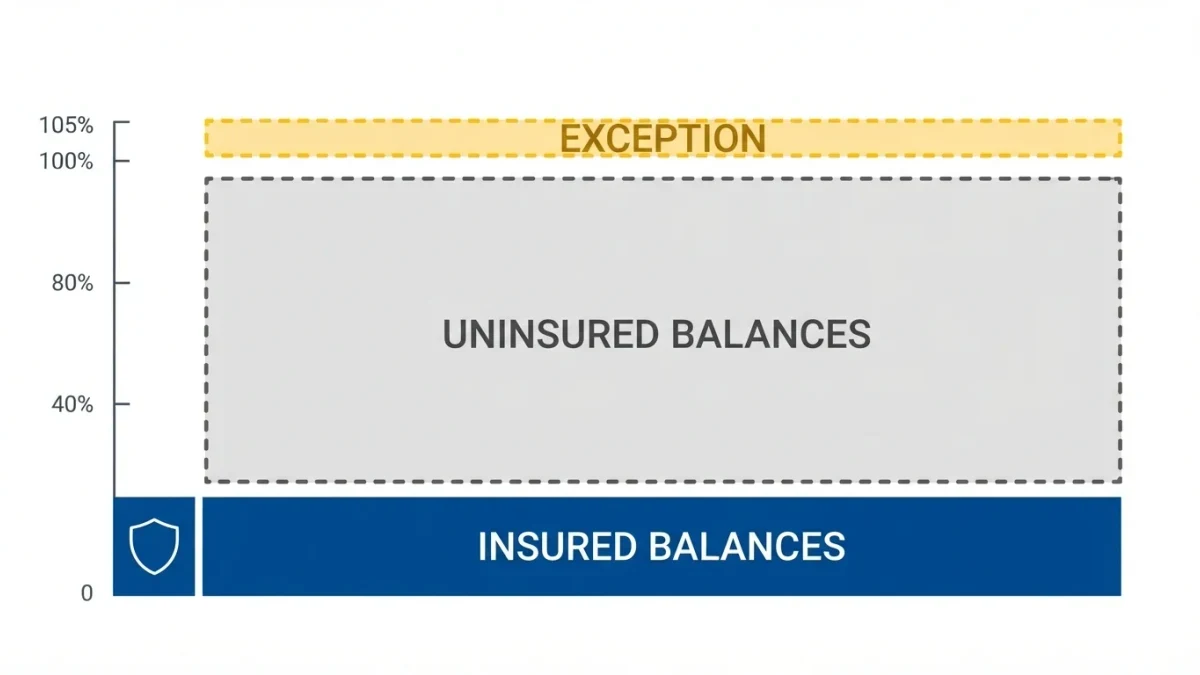
Insured depositors — up to $250,000 per depositor, per bank, per ownership category — are made whole in every failure, by the assuming bank or by check within days. Uninsured depositors become creditors for the remainder, recovering over time as the FDIC liquidates assets; the FDIC's rules now require large banks to pre-plan for recovery of uninsured amounts in failure. Historic recovery rates on uninsured deposits run high — frequently above 90 percent once receiverships close — but "eventually, mostly" is a poor substitute for liquidity, which is exactly what 2023 demonstrated: banks whose uninsured shares were large and digitally mobile failed in hours once confidence went. The systemic-risk determination for SVB and Signature waived the haircut, funded by a special assessment on the banking industry.
What happens to shareholders, bondholders, and employees?
Equity is wiped out in every resolution — the owners of SVB and First Republic lost everything while depositors were protected, the intended order of the system. Bondholders sit below depositors and take impairments. Employees face the buyer's decisions: acquirers keep substantial portions of staff — First Republic's buyer took the majority — but branches overlapping the acquirer's network close, and the failed bank's corporate staff often does not transfer.
Who pays for it?
The Deposit Insurance Fund, prefunded by assessments on insured banks — no taxpayer appropriation, though the 2023 systemic exception's cost was recovered through special assessments that banks, and ultimately their customers, bore. The fund's reserve ratio dipped in 2023 and rebuilt through higher assessments afterward; the FDIC publishes the fund's level quarterly.
What should depositors actually do?
The operational checklist: know your coverage per bank and ownership category (the FDIC's EDGAR-style electronic deposit insurance estimator computes it), keep operating accounts under the limits or spread across banks, and hold records — in a failure, the assuming bank honors digital balances, not paper you cannot access. The system is built so that a bank's failure is a weekend problem for its owners and a non-event for insured depositors. The design has held through every cycle since 1933, including 2023's stress test of it.