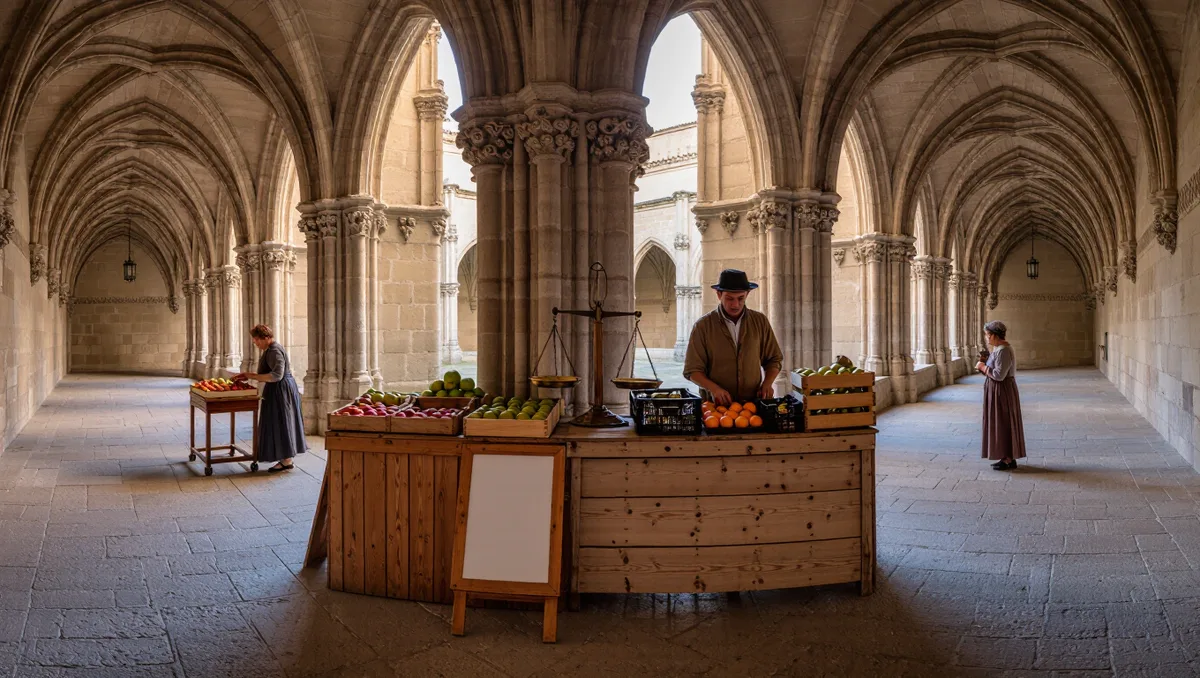
Markets of the past were more than places to buy and sell. They were the first institutions that turned strangers into trading partners. A medieval trading hall, a Greek agora or a Silk Road bazaar all faced the same three problems: how to set a price, how to trust the other side, and how to keep the crowd from turning into a mob. Modern exchanges solved these with screens and rules. The old halls solved them with architecture, custom and, often, a tax collector standing nearby.
That history matters now because those old solutions still shape how commerce works. The market stall, the fixed shopfront, the auction, the posted price — each began in a marketplace centuries ago. Understanding where these habits came from makes today's markets easier to read, from a farmers market to a commodity exchange.
What were markets of the past, and who ran them?
A market of the past is a designated place and time where trade was permitted, usually under the authority of a ruler, a guild or a town council. The key word is designated. Trade did not simply happen wherever people gathered. Someone granted the right to hold a market, and that right was worth money.
Rulers granted market charters because markets generated tolls, stall fees and fines. Towns wanted them because they drew sellers, and sellers drew buyers. The incentive structure was clear: whoever controlled the venue controlled the fees. That is why market rights were fought over, bought and inherited. It is also why the modern phrase "owning the venue" describes an exchange business so well. The business model has not changed much; only the technology has.
How did old marketplaces set prices without screens?
Price discovery — the process by which buyers and sellers find a price both accept — happened in three main ways in historic halls. The first was haggling, where each deal sets its own price. The second was the posted or cried price, announced by a seller or an official. The third was the auction, where buyers bid against each other and the price rises until only one bidder remains.
Each method suits different goods. Haggling works when every item differs, as with cloth or livestock. Posted prices work for standard goods, like grain by the bushel. Auctions work when supply is scarce or quality is hard to judge. Those same divisions hold today: a car dealer negotiates, a supermarket posts, an auction house bids. The old halls did not lack price discovery. They simply ran it at the speed of conversation.
Why did trust need so much scaffolding?
Trust was the scarce resource. Most trades happened between people who would never meet again, and there was no contract law a peasant could easily use. So marketplaces built trust into the setting itself.
- Weights and measures were inspected by town officials, and cheating carried fines or expulsion.
- Market courts settled disputes on the spot, often the same day, so a cheater could not simply leave town.
- Guil ds vouched for their members' goods, giving a buyer a name to complain to.
- Standard coin sizes and tested metal reduced the need to weigh every payment.
Our analysis: these are the ancestors of modern consumer protection and exchange regulation. The goal was never to guarantee a fair price. It was to guarantee a fair process, so that enough traders returned next week to pay the tolls. Cui bono, in every century? The venue, first and always.
What did market halls do for community that shops cannot?
A trading hall mixed functions that modern retail separates. People met neighbours, heard news, arranged marriages and settled debts in the same room where they bought flour. The market was a calendar anchor: market day structured the week, fair season structured the year.
This social role had economic value. Repeated face-to-face dealing made reputations matter, which lowered the cost of doing business. A seller known for honest grain could charge slightly more and still sell out. Economists would later call this repeat-play cooperation; the stallholders simply called it not being run out of town.
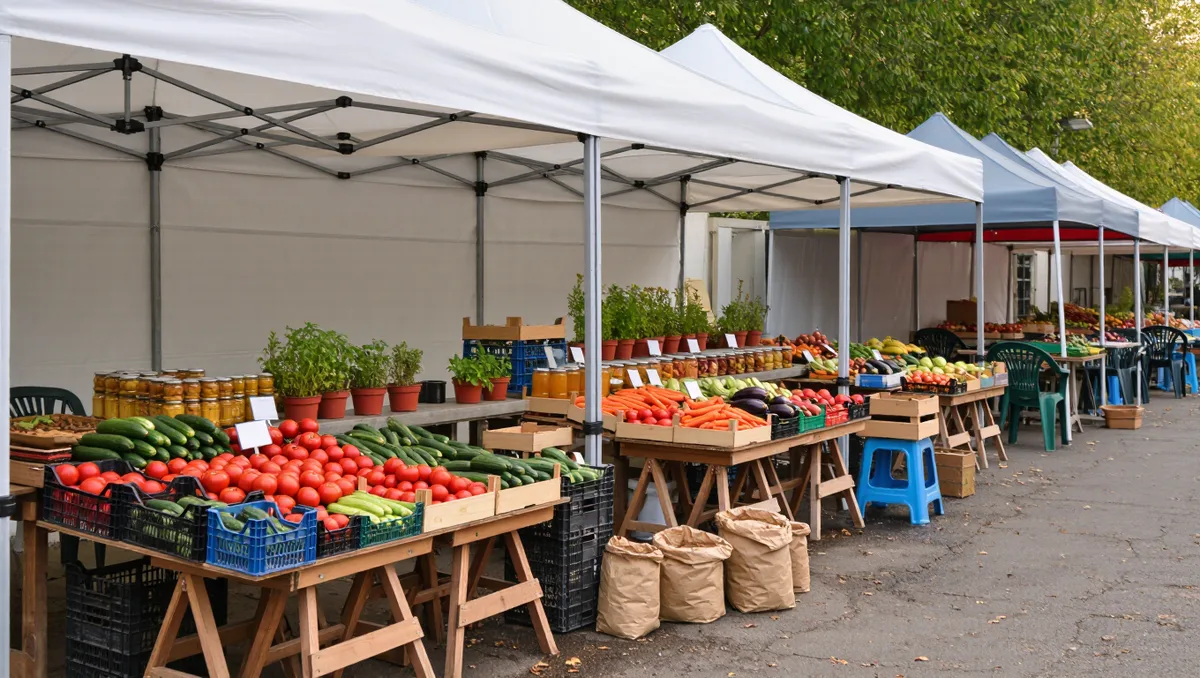
Modern local markets still trade on this. Anyone who has compared a supermarket aisle with a stall at a Farmers Markets Near Me: How to Find the Best Local Stalls knows the difference is not only price. It is the seller who remembers what you bought last time.
How did prices in old markets flow into the wider economy?
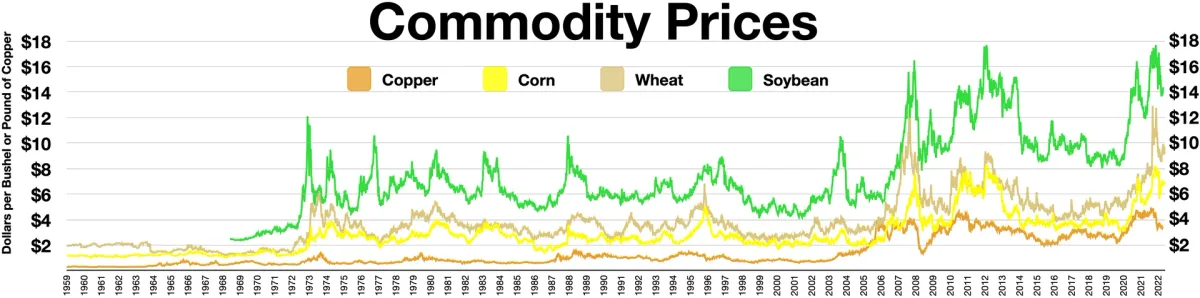
Grain prices set in a market hall moved outward through a chain: merchant, cart, warehouse, town baker, household bread. A bad harvest raised the hall price first, and the bakery counter followed. That transmission — from raw commodity to retail shelf — is the same mechanism that carries commodity moves into shop prices today, as explained in How Commodity Prices Flow Into Retail Prices: The Supply Chain Path.
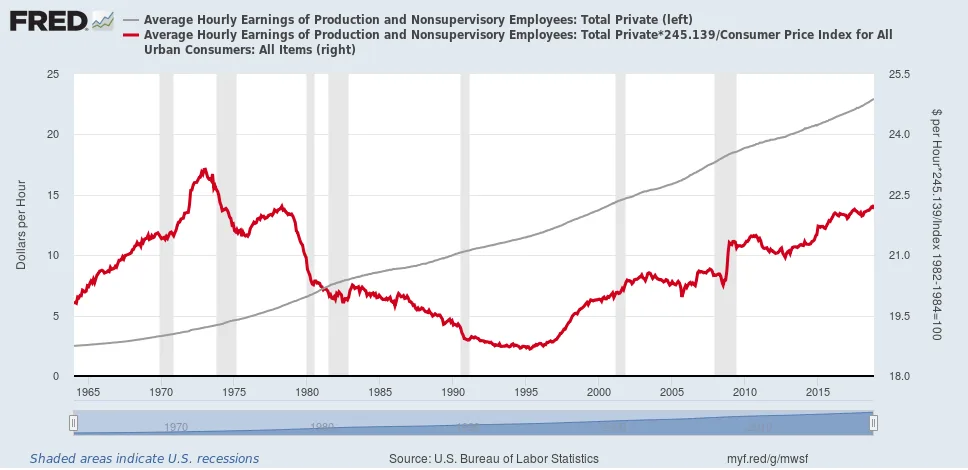
What has changed is speed and visibility. A 17th-century baker learned of a grain shortage when the cart price rose. A modern baker watches futures screens. What has not changed is the sequence: commodity first, retail later, wages last. Workers in past centuries learned this the hard way, because nominal pay — the number on the coin — moved slower than bread. The gap between money wages and what money buys is the subject of Real Wages vs. Nominal Wages: Why Your Paycheck Matters Less Than You Think. Readers following this should also see Real Wages vs. Nominal Wages: Why Your Paycheck Matters Less Than You Think.
What lessons do historic marketplaces offer today?
Three lessons survive intact. First, venue control is the real asset. Whoever sets the rules and collects the fees — a medieval toll keeper or a modern exchange operator — holds the profitable position. Second, trust is infrastructure. Inspection, dispute resolution and reputation systems are costs, but they are what make trade possible at scale. Third, price discovery is a service, not a side effect. Buyers paid, in fees and in time, for the privilege of seeing many sellers in one place.
What the evidence of historic trade establishes is continuity: the problems are old, and only the plumbing is new. What remains unknown is how much of the social glue — the repeat dealing, the local reputation — survives when trade moves fully online. Marketplaces of the past suggest that some form of trust scaffolding always reappears. It just gets rebuilt in whatever material the age has to hand: stone, glass, or code.