Retail
Dollar Store Expansion Economics
Dollar General and Dollar Tree grew to over 40,000 U.S. stores on small-basket, low-cost arithmetic — and hit the model's ceiling when the customer ran out of money.
Lena Fischer · August 1, 2026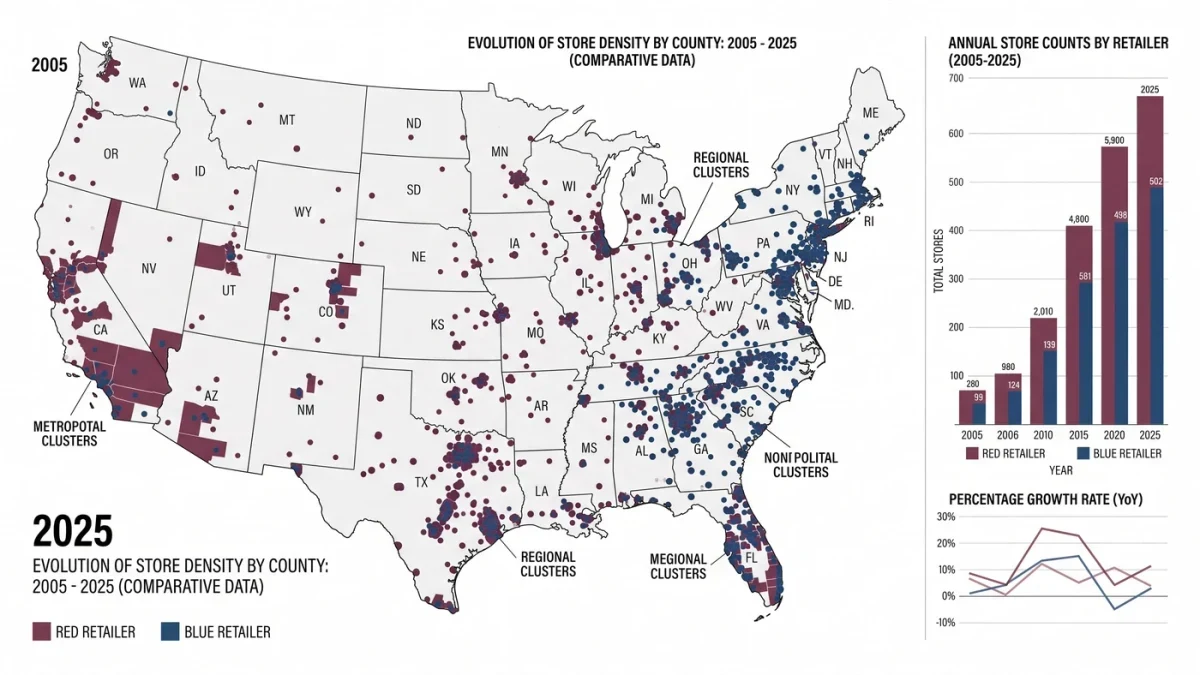
Coverage of retailing as a business: store estates and closures, online fulfillment costs, assortment decisions, own-brand ranges, and the real depth of a promotion. Figures come from company filings and price tracking. Read by category managers, suppliers negotiating terms, and analysts covering the sector.
Dollar General and Dollar Tree grew to over 40,000 U.S. stores on small-basket, low-cost arithmetic — and hit the model's ceiling when the customer ran out of money.
Lena Fischer · August 1, 2026BOPIS turns the store into the fulfillment node — cheaper than delivery for the retailer, faster for the shopper, and the rare e-commerce feature where both sides win.
Henrik Larsen · July 9, 2026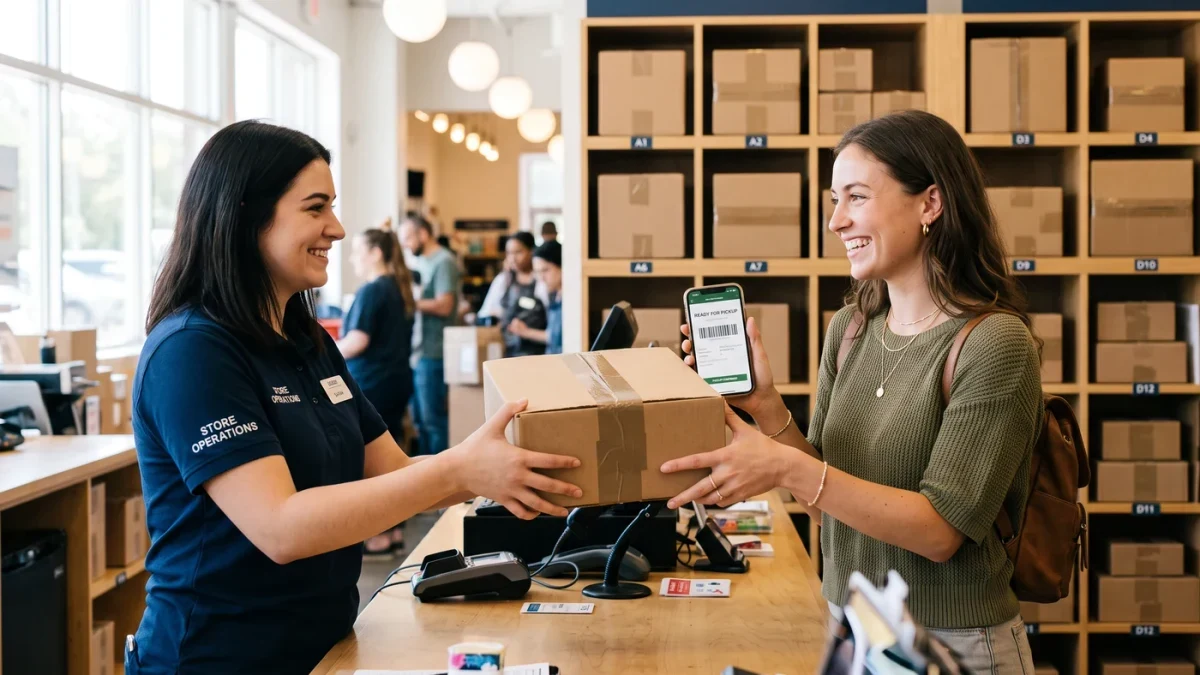
A store is a stream of sales against rent, labor, and occupancy costs with a lease running years past the decision — and the lease's structure decides when closing pays.
Lena Fischer · June 16, 2026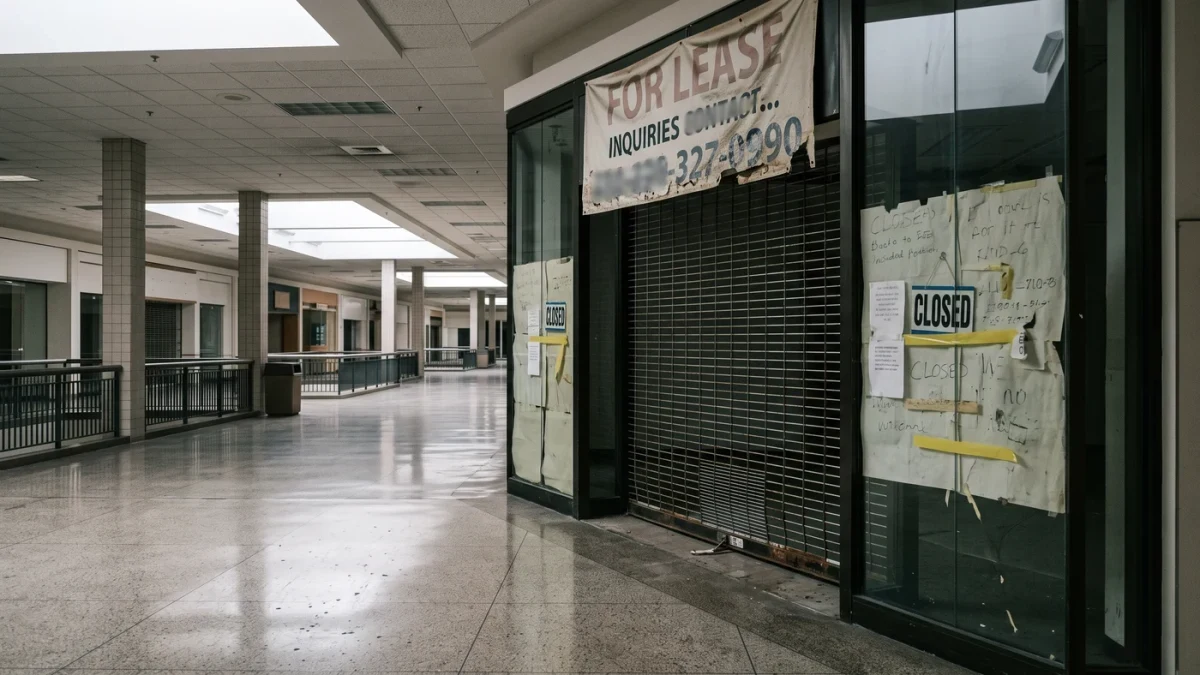
Grocers earn one to three cents on the dollar — a structural fact of selling what everyone sells — and the 2021–2023 period tested how much pricing power even that allows.
Henrik Larsen · May 25, 2026
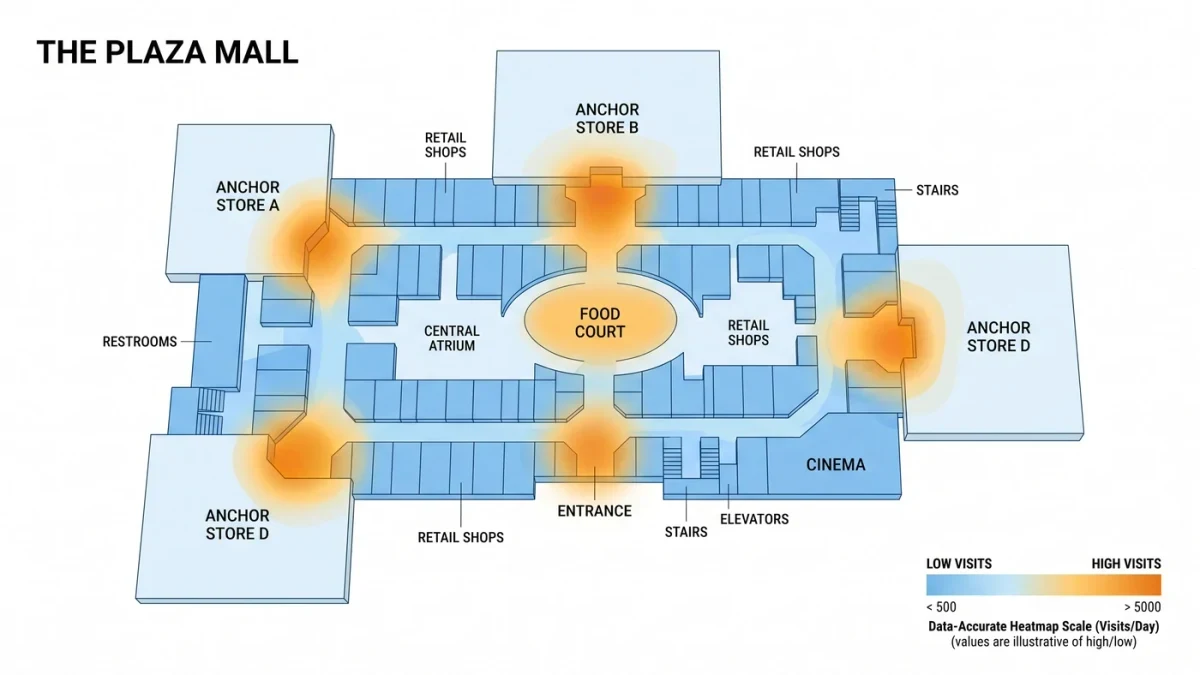
The visitor counts behind retail headlines come from anonymized phone location panels — a few million devices extrapolated to a nation, with known biases.
Henrik Larsen · May 2, 2026