Borrowing and its costs, tracked for households and companies alike: mortgages, card balances, arrears and defaults, corporate leverage and refinancing schedules. Pieces show how tighter credit reaches spending within a quarter or two. Useful to lenders, credit analysts and finance teams planning around rate changes.
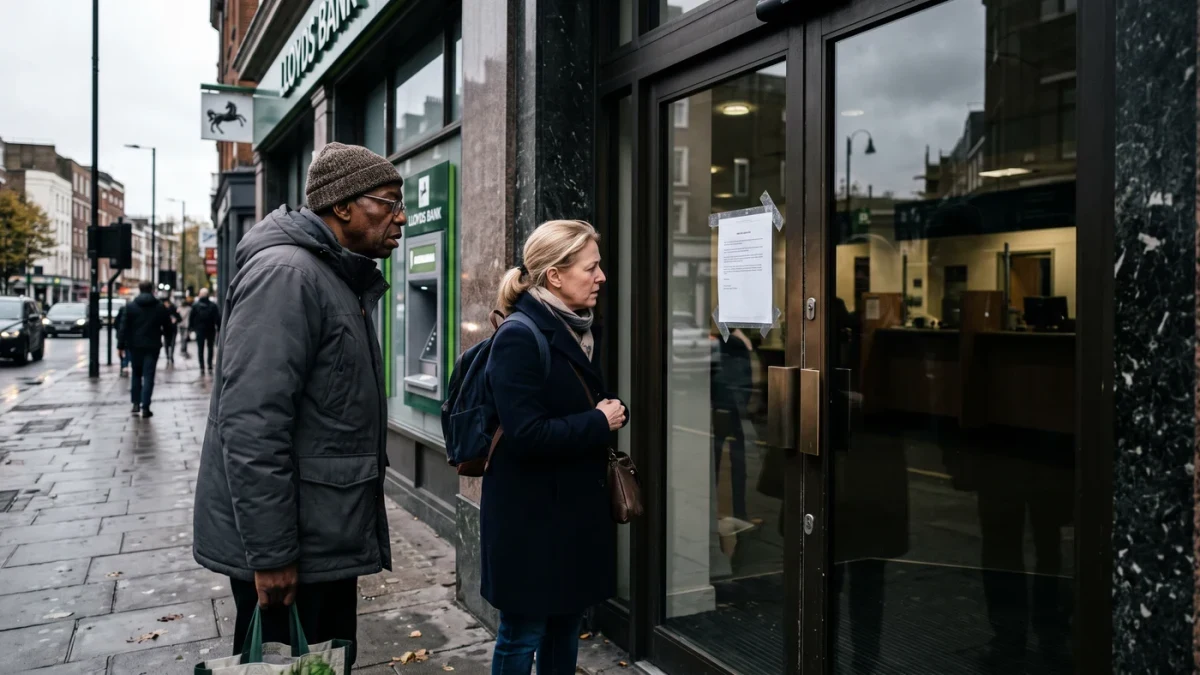
When a bank fails, the FDIC takes it over by Friday night and reopens it Monday under a buyer — depositors' experience of the process is usually a weekend of headlines.
The grace period makes card interest optional for full payers; the balance transfer makes it negotiable for revolvers — both are rules written in the disclosure, not favors.
Car loans reprice off the bond market and the lender's loss expectations, not the Fed directly — which is why rates stayed near two-decade highs even as the Fed cut.
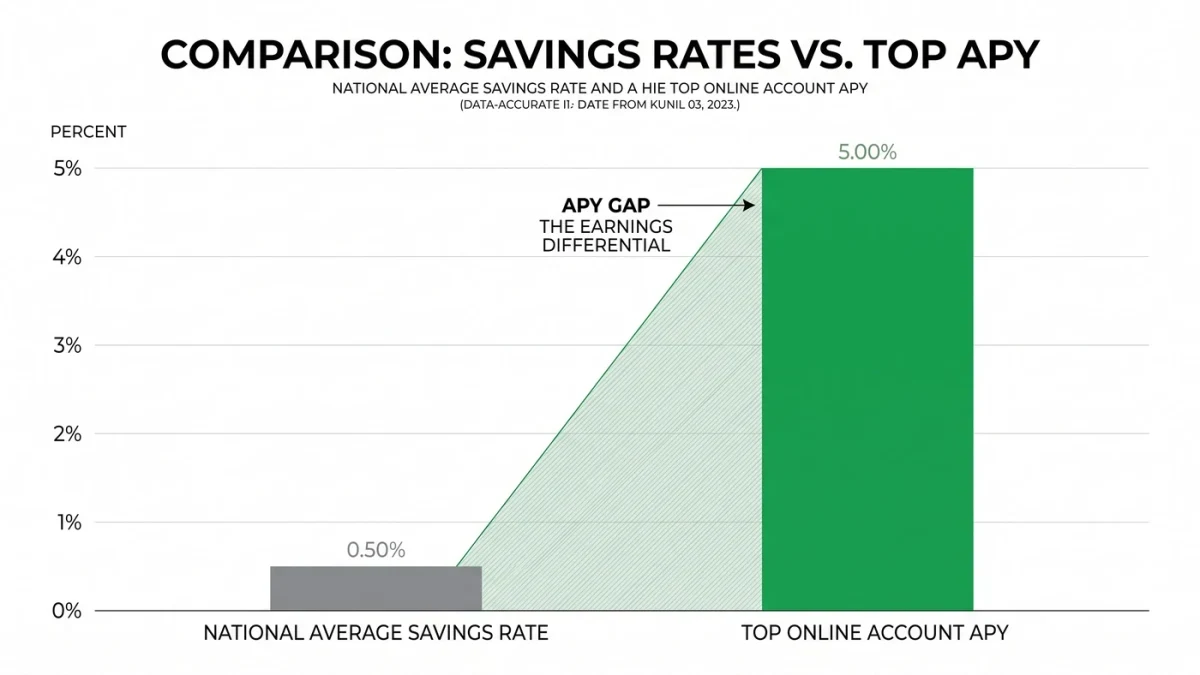
"High-yield" is marketing, not a product category — but the online accounts wearing the label paid 10 times the big-bank rate through the entire rate cycle, with identical insurance.
A CD trades access for certainty: the rate is fixed for the term, insured to the deposit-insurance limits, and the penalty for early withdrawal is priced before you buy.